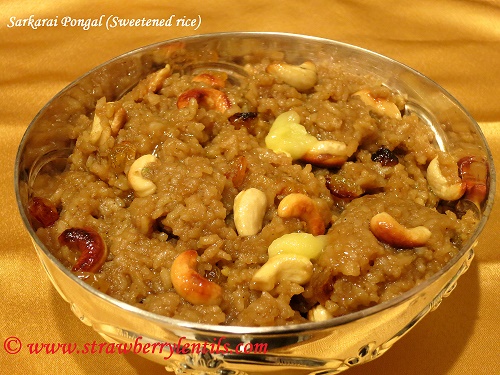
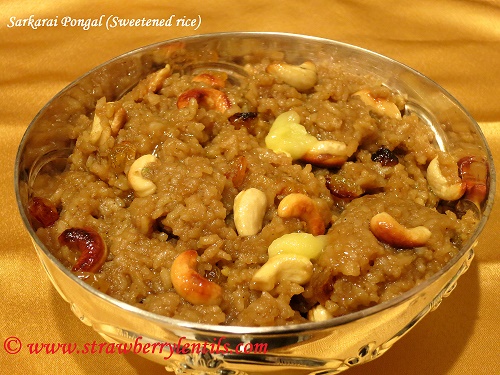
Sarkarai Pongal (Sweetened Rice)


Image

We celebrated pongal (the harvest festival) a week back. Leisurely posting the recipe a week later, that is how “fast” I am. Well, next year I can republish this post right on time, so I am happy for next year ;). Sarkarai Pongal is a very traditional, very basic and a very simple dessert, often offered in temples or made in homes on auspicious days. But don’t let that restrict you, this makes a great dessert for any day or any party. Another popular variation of this dish is “Akkara Vadisal” where rice is cooked in milk instead of water.

Making this sweet pongal involves only four basic steps. Cook rice, make brown sugar syrup, mix rice and syrup, add some roasted nuts and raisins. Child’s play , right ? It is really that simple. Hopefully, the tips I give below are helpful in simplifying the already simple recipe.

To make the sweet pongal, you will need :

  1. Uncooked rice – 1 cup (any kind is good)
  2. Moong Dal or split green gram – 1/4 cup
  3. Jaggery/Vellam/Dark Brown sugar – 1 cup
  4. Water (to cook rice) – 4 cups
  5. Water (for syrup – 1/4 cup)
  6. Cardamom powder – 4 tsp
  7. Cashew nuts – 3 tbsp
  8. Raisins – 2 tbsp
  9. Ghee / Melted Butter – 4 tbsp
  • First, we have to get the rice ready. In a pan or a pressure cooker, heat 2 tbsp of ghee or butter and roast the moong dal (green gram).
Image

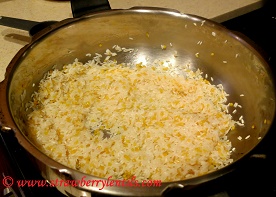
  • Rinse rice and add  rice to the pan and mix well that each grain is coated with ghee.
Image

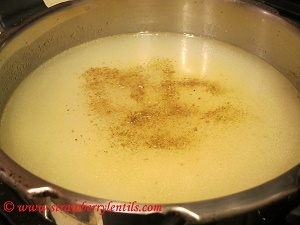
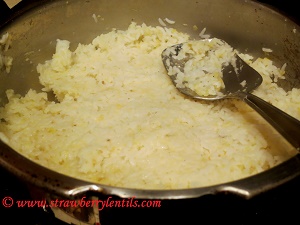
  • Rice and dal mixture has to be well cooked to really soft consistency, so double up the quantity of water used. Add 4 cups of water and 2 tsp of cardamom powder and cook the rice and dal until soft. When rice is cooked , mash it gently with the back of a spatula. (If not using pressure cooker, you will have to add more water).
ImageImage

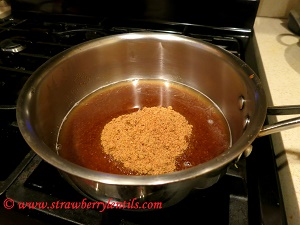
  • Now to make the brown sugar syrup, mix 1 cup of brown sugar in 1/4 cup of water and heat until the sugar completely dissolves in water.
ImageImage

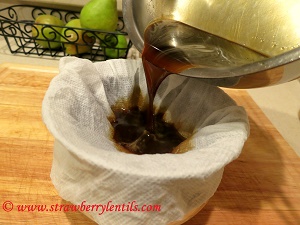
  • If you are using jaggery/vellam it is important to make sure the syrup is free of any impurities, so filter the sugar solution using a clean cloth. I used a wet bounty paper towel, it gets the job done.

ImageImage

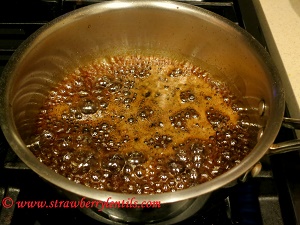
  • Now, put the clean syrup back on heat and bring it to a boil. You are looking for 1-string consistency, but when your syrup comes to a good rolling boil, you can be sure its there.
Image

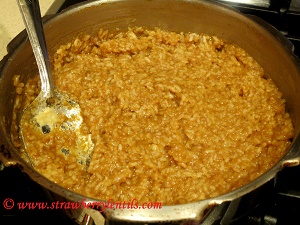
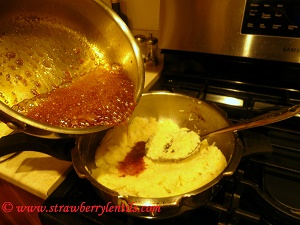
  • Add the syrup to the cooked rice and dal and mix thoroughly.
ImageImage

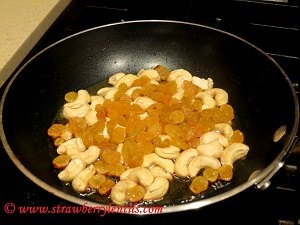
  • Now , for the last step : In a separate pan , add a tbsp of ghee/butter , and fry the cashews and raisins to golden brown and add to the rice.
ImageImage

Add the last spoon of ghee right before serving, and your sweet pongal is ready to be served to the king/queen in you 🙂

Some pointers :

  • Instead of making syrup, you can directly add the  brown sugar to rice. But I do not prefer that method, as the brown sugar tastes raw in the final pongal. Adding the syrup gives a well rounded taste.
  • I have only used cardamom powder, you can also add nutmeg, ground cinnamom or a pinch of ground ginger to elevate the flavors.
  • It is not very appealing when it is in a soupy consistency, often confusing the eater if its pongal or payasam (kheer). It should be in the”sticky rice” consistency.
  • Use milk to cook the rice instead of water and make a much creamier version of this pongal, which is also called as “Akkara Vadisal”.

Treat yourself to this yumminess effortless !!!!!!
Image

Coconut Rice


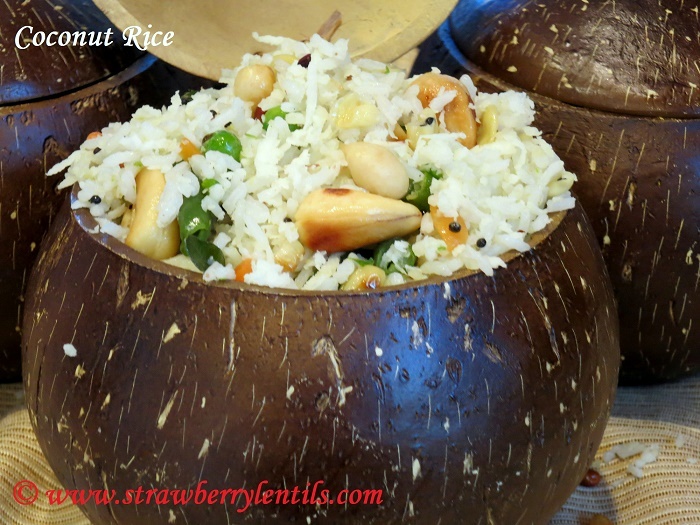
Its quick, its fresh, its nutty, its light…so why not ? Coconut rice is one of the many quick and easy variety rice recipes. I love the flexibility it offers : got some leftover rice and trying to make a meal out of it without sweating much or make an exotic aromatic party food, coconut rice will be your best friend 🙂 .  Whether you go for simplicity or embellish it to the core, this flavor packed rice will take you to your happy place.

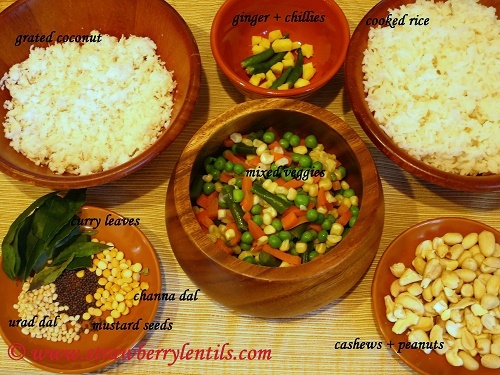
You will need :

  1. Rice – 1 cup
  2. Grated coconut – 3/4 cup
  3. Green chillies – 3
  4. Ginger – 1/2 inch piece
  5. Peanuts – 1/4 cup
  6. Cashew – 1/4 cup
  7. Mixed vegetables – 1 cup
  8. Mustard seeds – 1/2 tsp
  9. Urad dal – 1/2 tsp
  10. Channa dal – 1 tsp
  11. Curry leaves – few

IMG_5399

  • Cook rice by your preferred method. You can also use leftover rice. Adding a tsp of oil to the water while boiling rice helps the grains to stay separate.
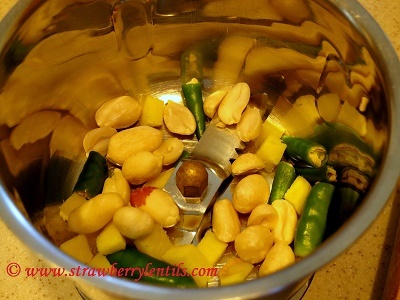
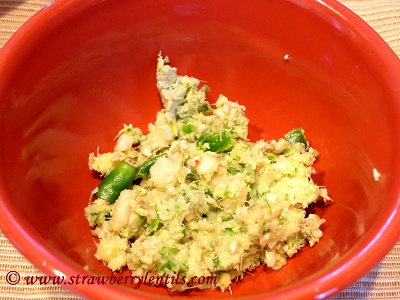
  • Grind green  chillies and ginger along with a few peanuts to a coarse mix. It doesn’t have to be a paste, just grind enough to blend everything. Else, you can just finely mince the chillies and ginger.

IMG_5408IMG_5410

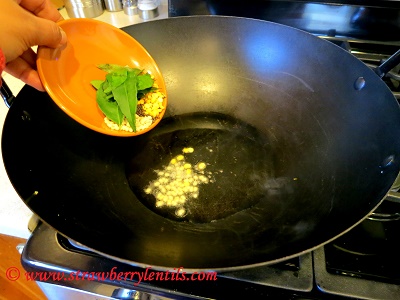
  • In a wok, add a tbsp of oil (preferably coconut oil or sesame oil) and fry the mustard seeds, urad dal, channa dal and the curry leaves.

IMG_5416

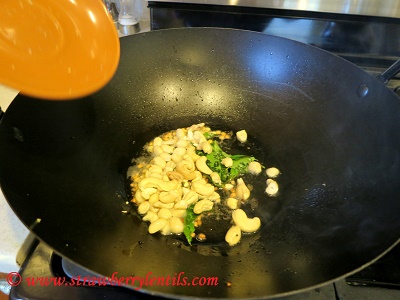
  • When the mustard seeds splutter and the dals turn golden add the peanuts and cashewnuts.

IMG_5418

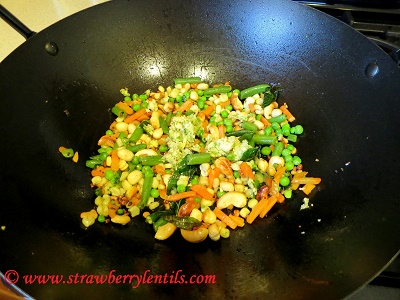
  • When the nuts turn slightly golden add the mixed vegetables. This is optional,I prefer adding a lot of veggies to the rice, so that I can skip making a side 🙂 . Sprinkle some salt and cook for two minutes and then add the ground green chillies+ginger paste.

IMG_5425

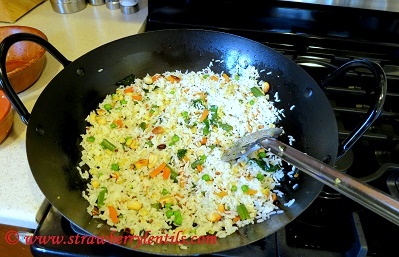
  • Once the green chillies and ginger paste coats all the vegetables add the cooked rice to the wok, reduce heat and mix well.

IMG_5428

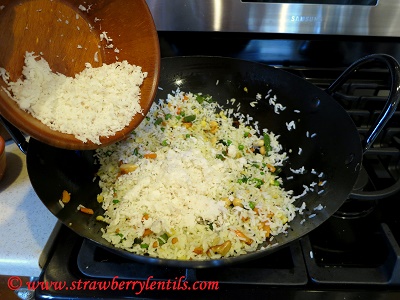
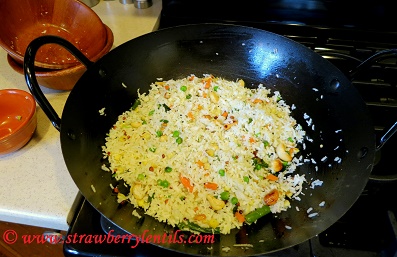
  • Check for seasoning, add salt if needed. Three green chillies should pack enough punch, but if you need more heat you can add red pepper flakes. Finally add the grated coconut and mix with rice thoroughly, remove from heat after a minute.

IMG_5432

  • You can also toast the coconut before adding to the rice. While it deepens the flavor, I feel that freshness is compromised.  You can try both ways and see which you would prefer.

IMG_5446

While the cold, windy weather and the 5 p.m. dark skies keep warning about the bitter winter, it feels like spring in my kitchen and thats what matters, right ?

IMG_5464

Tomato Pulav


Image

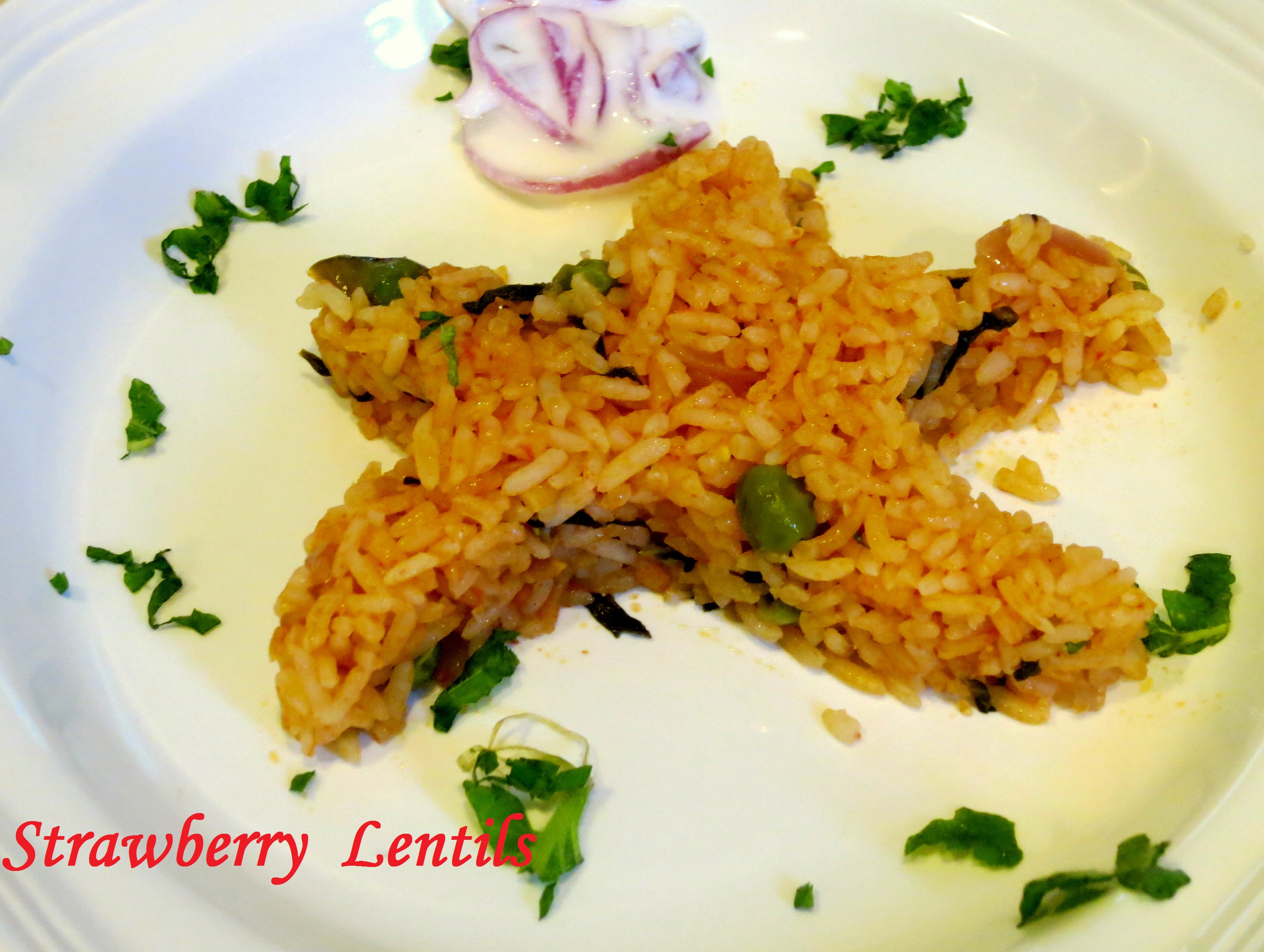
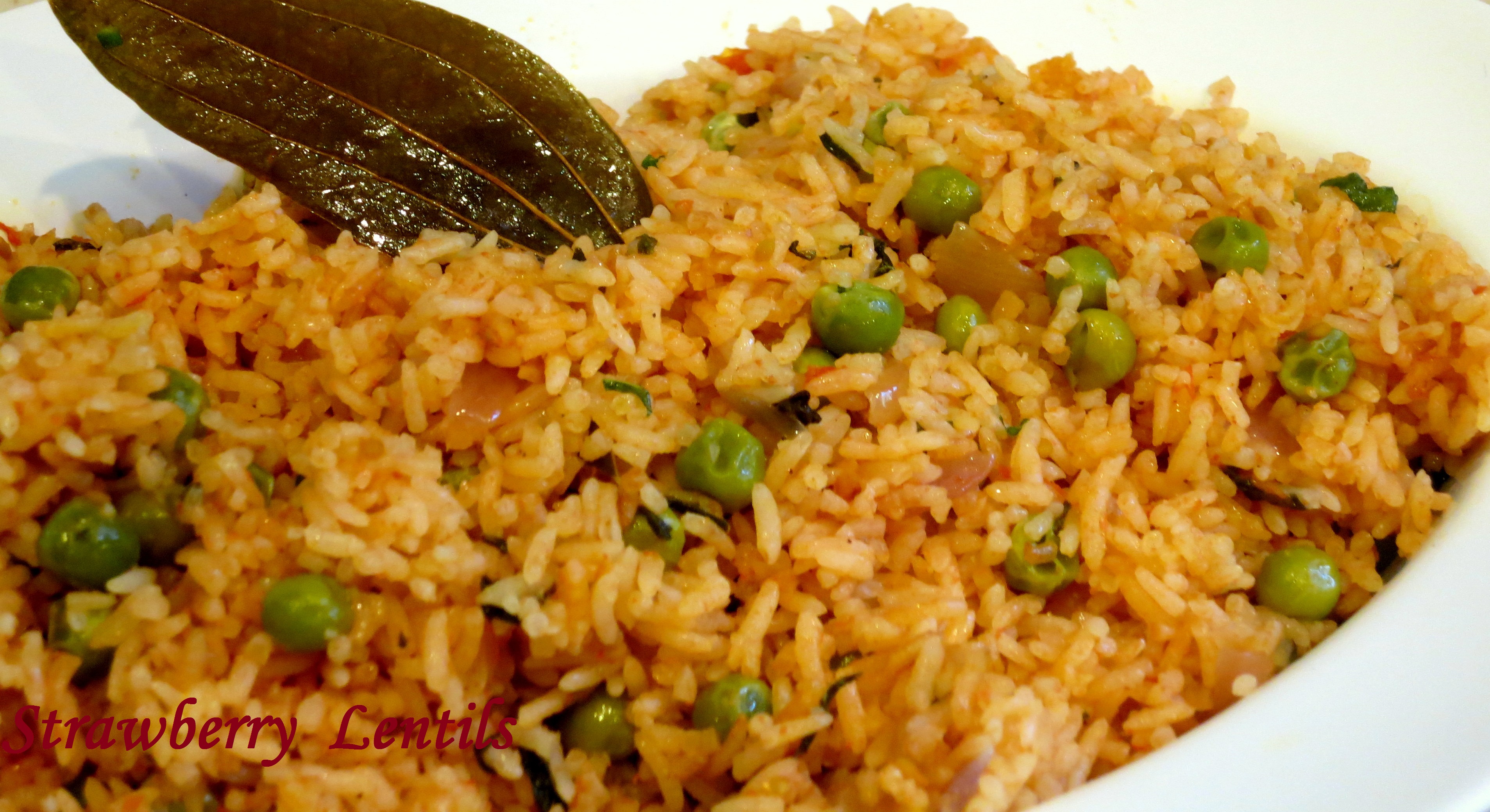
This is a recipe I learned from my grandma. It  is a basic pulav, the only difference being, the rice is cooked in tomato water. Here I have given my grandma’s way of making the tomato water, I will also suggest some quicker alternatives.

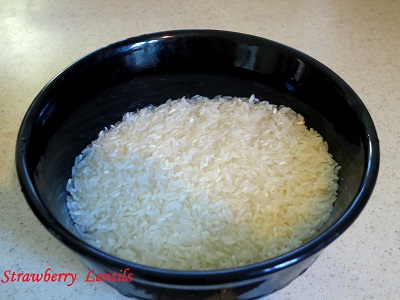
  • Soak 2 cups of Basmati rice or Raw Rice (pacchirisi) in water. [ For 2 people, 1 cup of rice will suffice. 2 cups will serve 4-5 people.]

Image

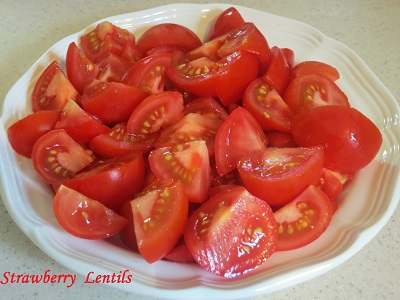
  • The steps below are to make tomato water. Please use red, juicy tomatoes. For 2 cups of rice, you will need about 4 medium size tomatoes. If using small campari tomatoes, you will need about 7 or 8. Cut the tomatoes to big pieces.

Image

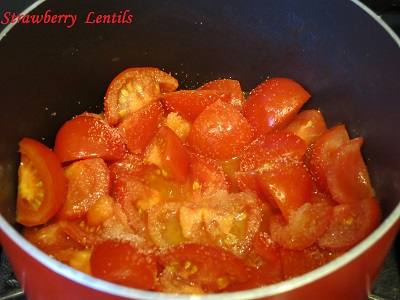
  • In a sauce pan, heat  2 tsp. of oil  and add the tomatoes. After a quick saute, sprinkle some salt to sweat the tomatoes. Cover with lid and cook for a few minutes.

Image

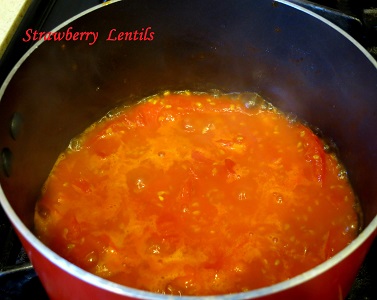
  • Tomatoes will give out their juice. Turn off the heat  and let it cool down for a couple of minutes.

Image

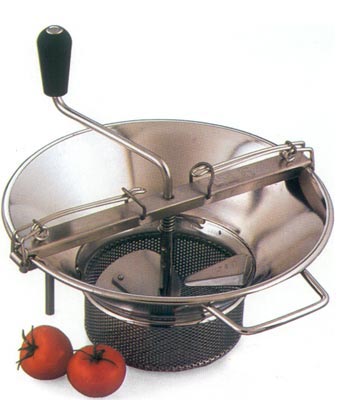
  • This is a tomato mill/tomato grinder. My grandma used a similar one. (This is bringing back so many memories, as it was my job to use the mill to grind tomatoes 🙂 ).

Image

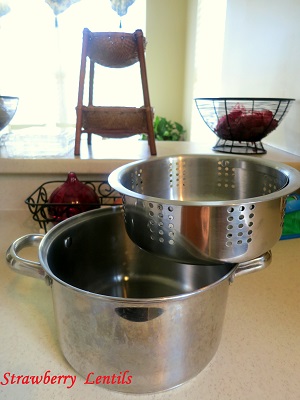
  • If you don’t have one, no worries. I don’t have one either. I just use my steamer basket and pot. Any strainer and pot combination should work fine.

Image

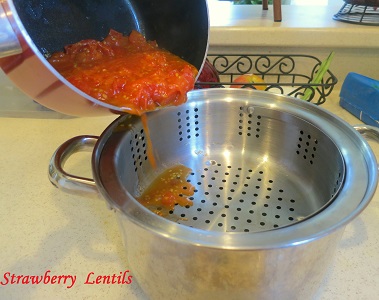
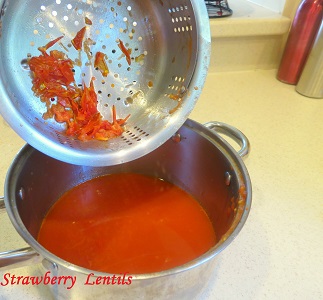
  • Pour the boiled tomatoes into the steam basket.

Image

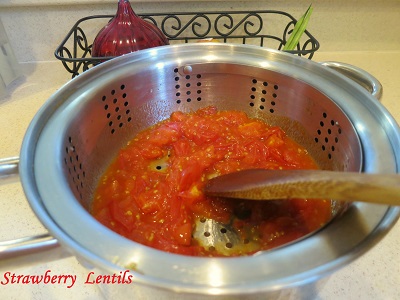
  • Now use a wooden spoon to stir the tomatoes around while mashing them lightly at the same time.

Image

  • Add  little water to the tomatoes and repeat the process, until you are left with just the skin on the steam basket, and the juice in the pot.

Image

  • And here is the tomato awesomeness 🙂 Ok, now for some easier alternatives. You can grind the boiled tomatoes in a blender and filter out the seeds and skin. (I don’t like that the blenders make it foamy.) Or, the easiest option of all, dilute canned tomato paste with water. But each method slightly alters the taste and texture of the pulav. By the way, do we have to be so finicky about cooking in tomato water ? Why not just saute the tomatoes and add the rice ? The answer is , cooking in tomato water adds a lightness and a subtle tomato flavor to the pulav which you won’t get in cooking with tomatoes as such.

Image

The measure is 1 cup of rice : a little less than 2 cups of tomato water. As I am cooking 2 cups of rice today, I will need about 3.75 cups of tomato water.  Now that the tomato water is ready, we can get things ready for the pulav.

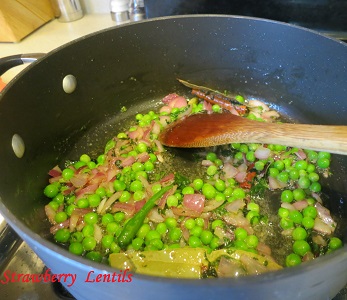
  • You will need 1 medium onion sliced thin. Peas is optional, but I just like to add them for protein. Also mint it optional, you can use cilantro instead. Also slit 1 green chilli.Image
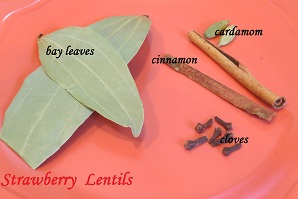
  • These are the spices needed (in the recommended quantity for 2 cups of rice).

Image

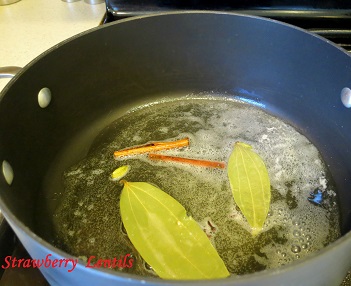
  • Heat 1 tbsp of butter and 2 tbsp of oil a pot and fry the whole spices.

Image

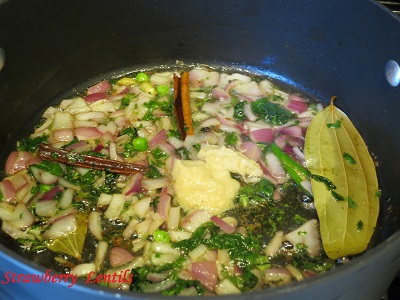
  • Saute the onions and mint. After the onions become translucent, add 1 tbsp of ginger garlic paste.

Image

  • After the raw smell of ginger, garlic paste goes away add the green peas.

Image

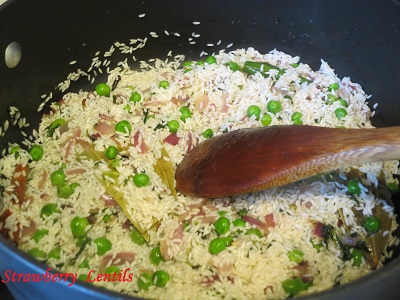
  • Add the soaked rice.

Image

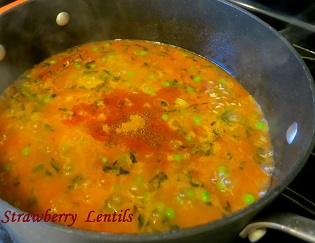
  • Add the tomato water. (2 cups of rice : 3.75 cups of tomato water).

Image

  • Add 1 tsp of red chilli powder and 1/2 tsp of garam masala. You can add turmeric powder also, it will make the color orangish. I like the natural color of tomatoes, so I don’t add turmeric powder for this pulav.

Image

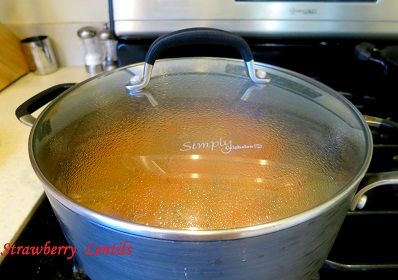
  • Cover with lid and cook in low heat. Stir once or twice in between. You can also transfer the contents of the pot to an electric rice cooker and complete cooking in the cooker.

ImageImage

  • Serve with simple onion raita (onions + yogurt + salt).
Related articles

Sesame Rice


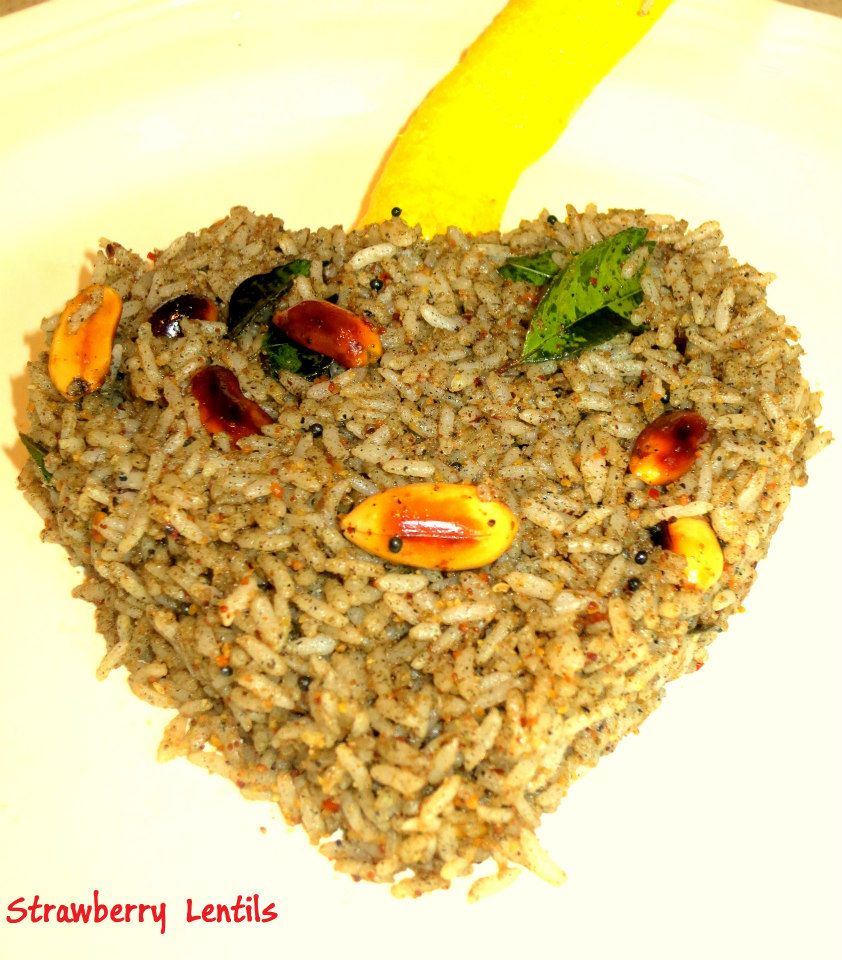
This is my attempt to re-create the “prasadham” I enjoyed in my hometown temple when I was a kid (when temple visits were culinary experiences 🙂 )…..I remember sprinting around the navagrahas so that I can get my share from the priest. I guess it was the offering for Saturn (Saneeshwararn)…..
Image
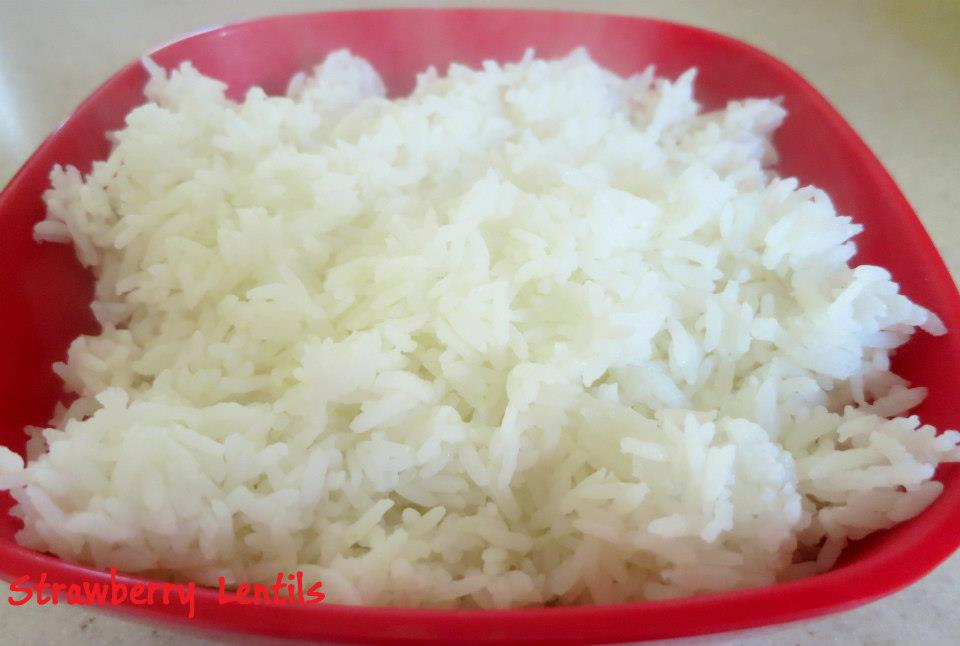
  • Cook 1 cup of rice and allow it cool down.
Image
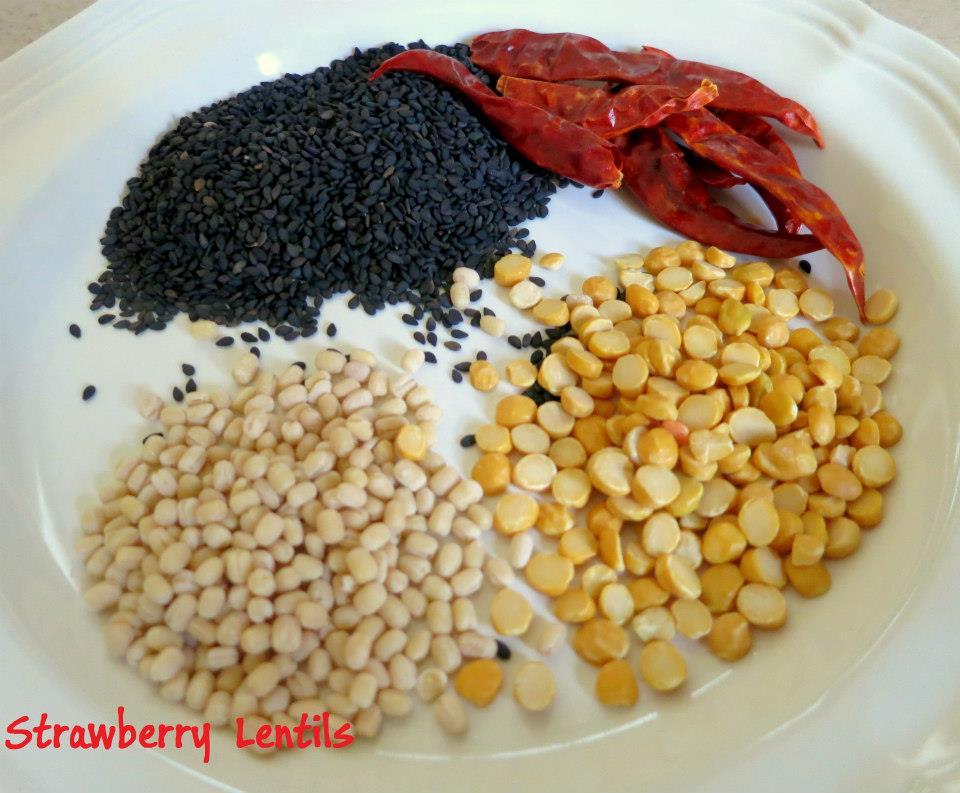
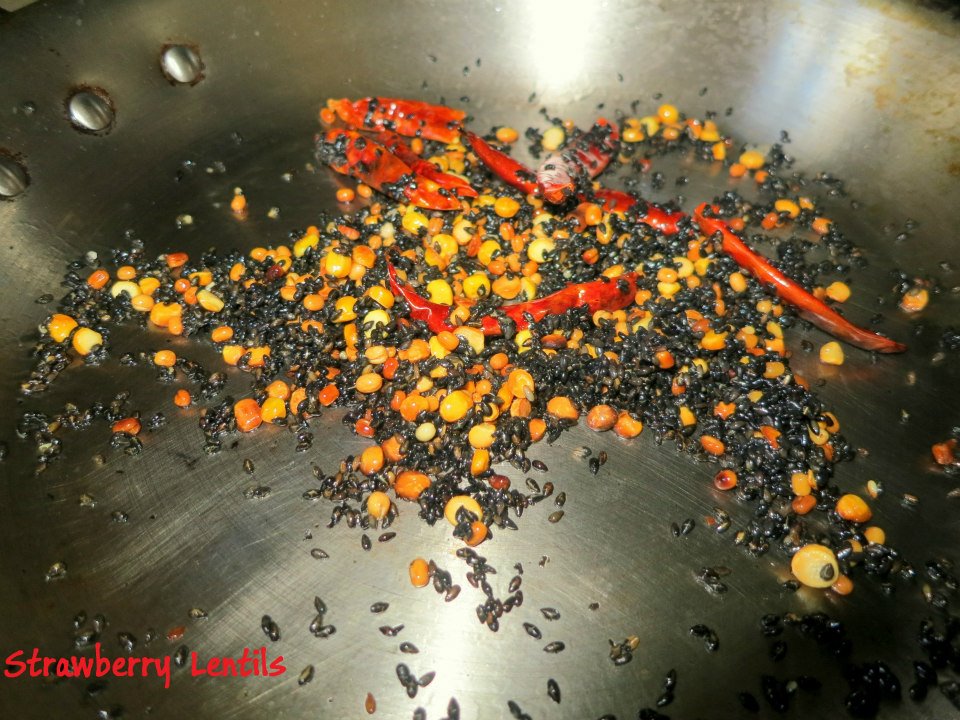
  • black sesame seeds, red chillies, urad dhal and channa dhal

Image

  • Fry urad dhal, channa dhal, chillies and sesame (in the same order) in a tsp of sesame oil.

Image

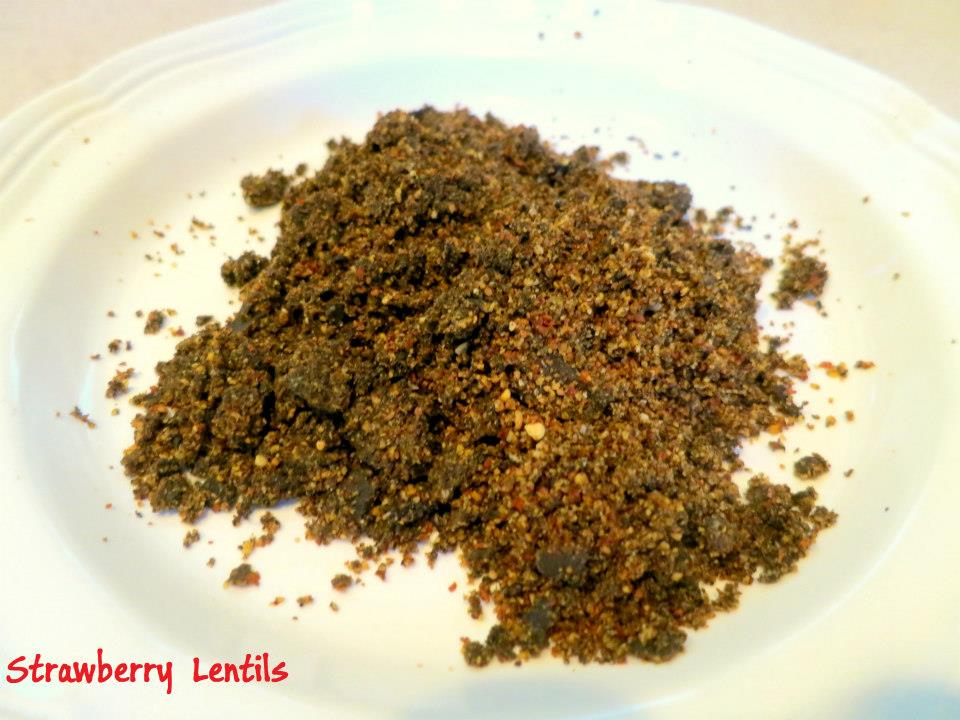
  • After they cool down grind them into a coarse powder ( which looks like top soil ) 🙂

Image

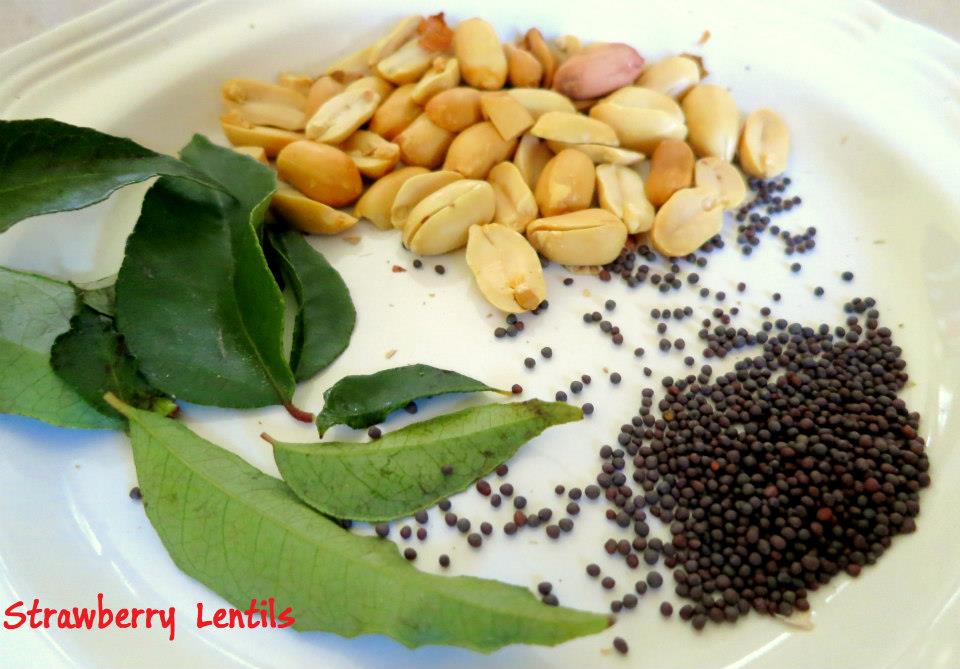
  • For the final seasoning  you need curry leaves, peanuts and mustard seeds.

Image

  • Fry the mustard seeds, curry leaves and peanut in a tsp of sesame oil.

Image

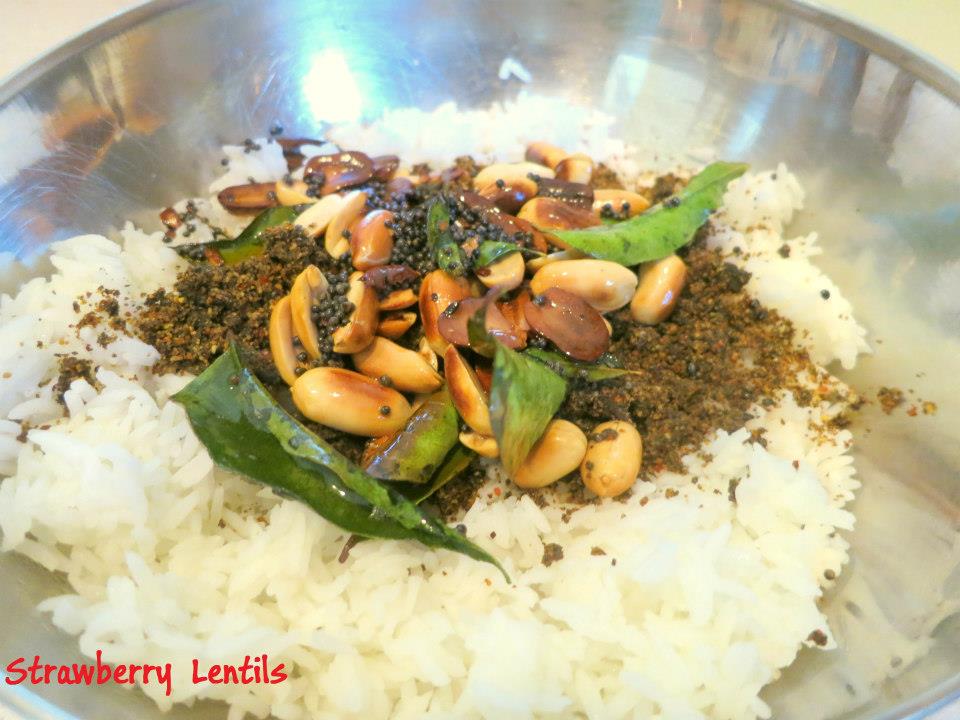
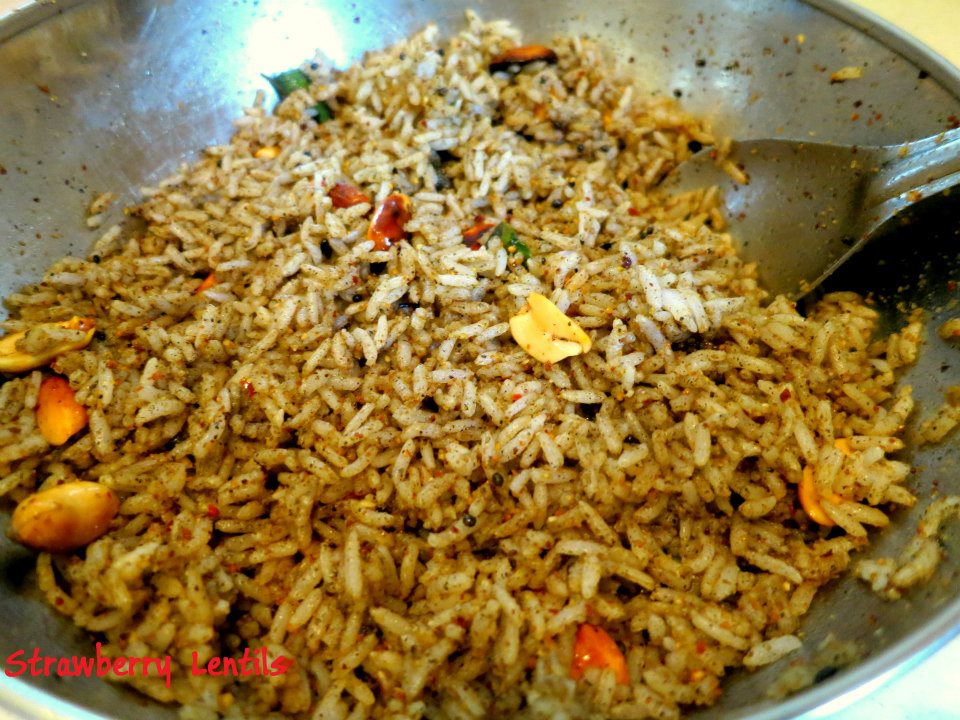
  • To the cooked rice, add the sesame powder and the fried seasoning.

Image

  • Mix them all together and add salt to taste. Also drizzle a tsp of sesame oil and mix.

Image

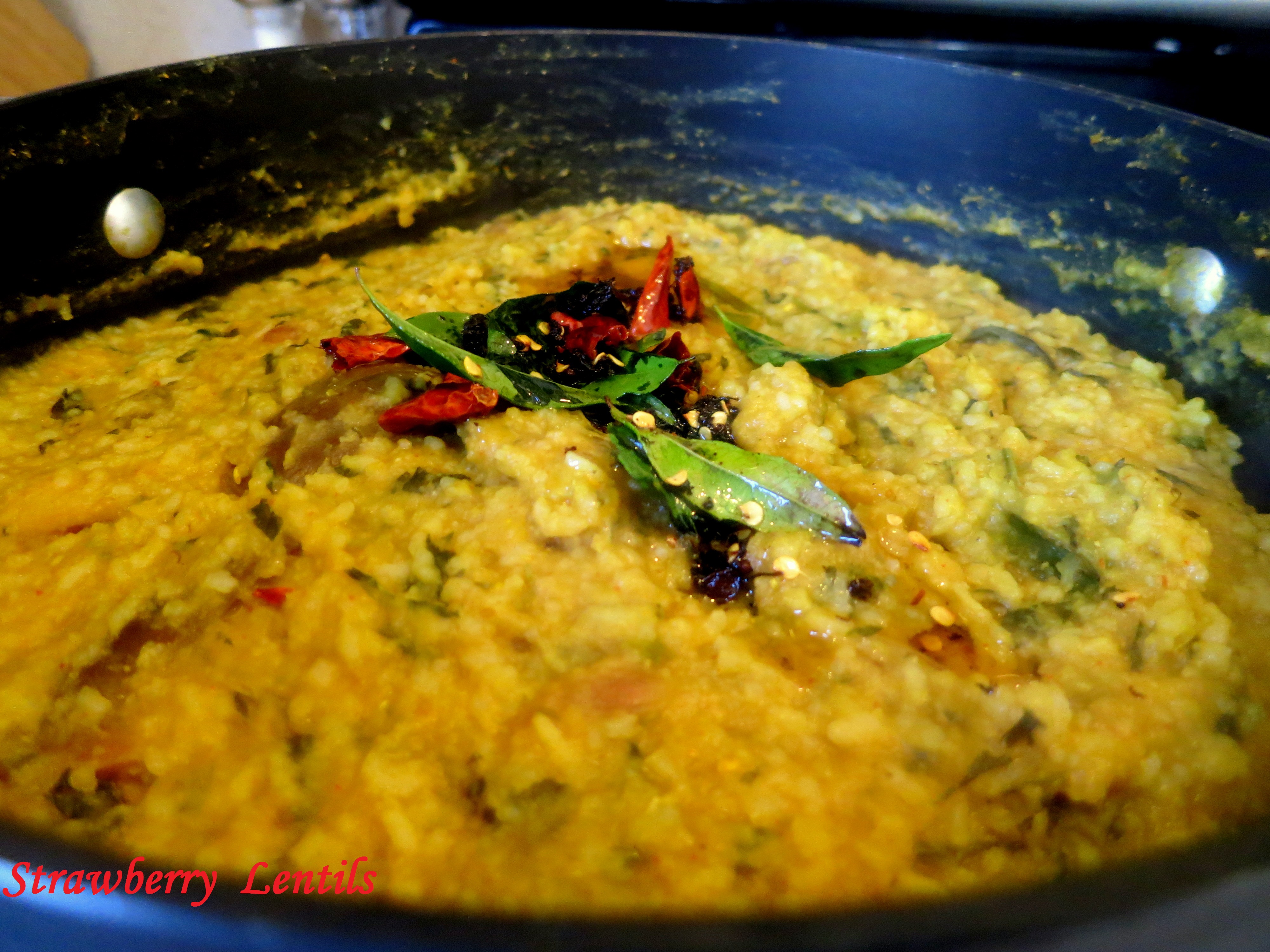
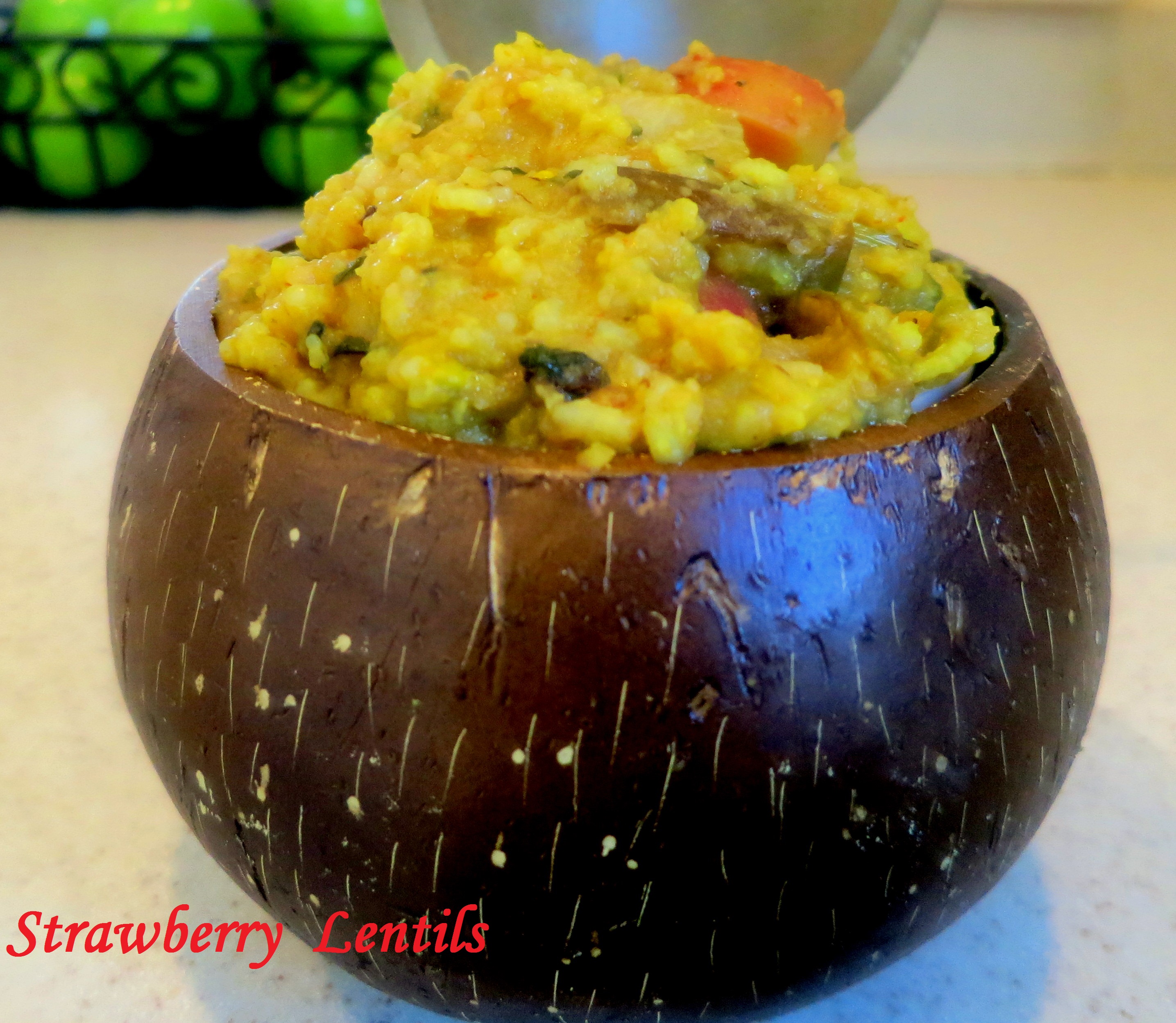
Koottaanchoru


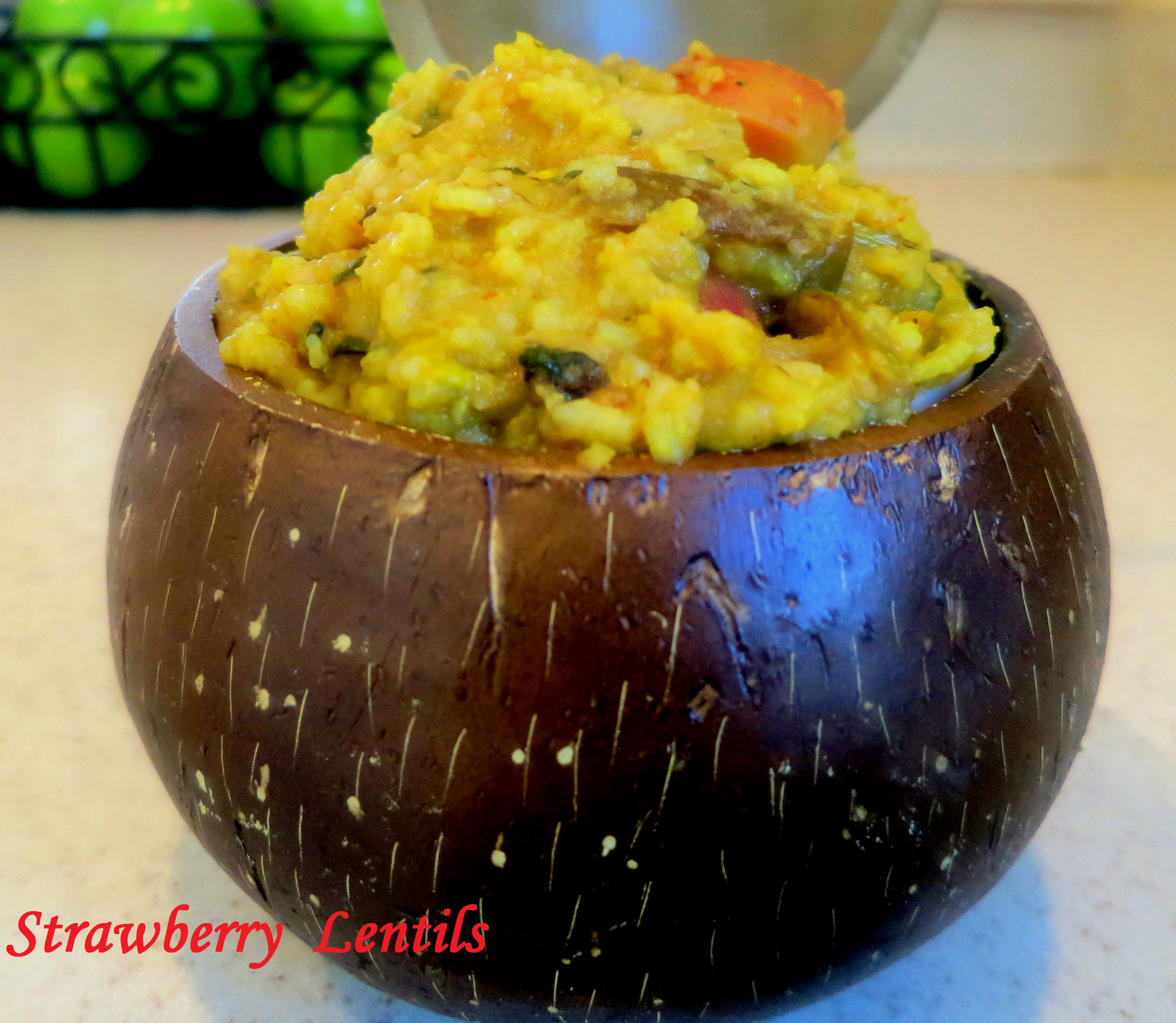
This is the Nellai version of Bisibelabath. The difference is in the vegetables and the spices used. I have greatly enjoyed this rice at my maternal grandmother’s place. This is a great one pot dish.Image

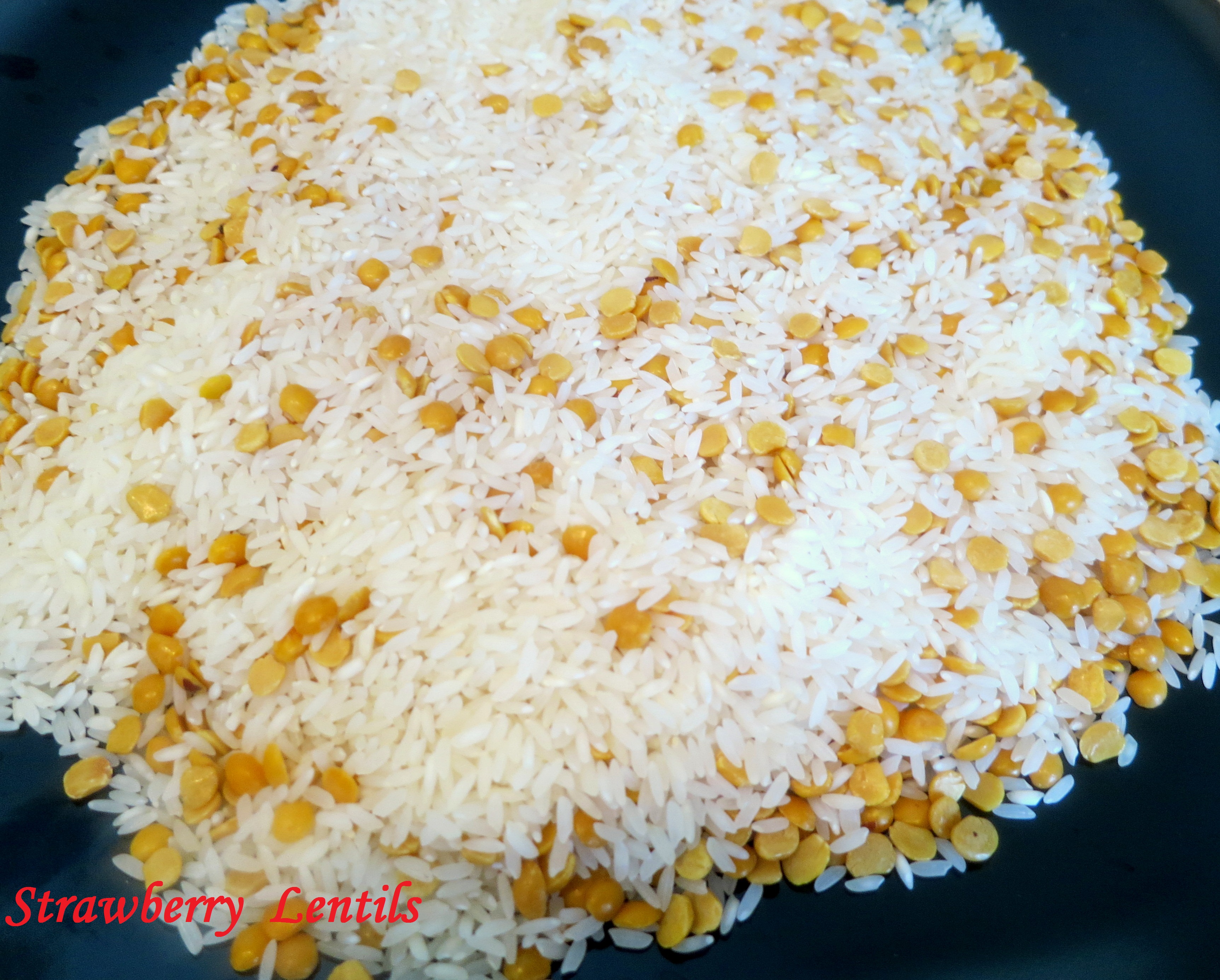
raw rice – 1.5 cups
Thur Dhal – 1/2 cup

Cook the dhal and rice together in a pressure cooker with 6 cups of water , some salt and 2 tsp of oil. You can cook them in a regular pot, add enough water so that cooked rice-dhal has a soft texture.

Image

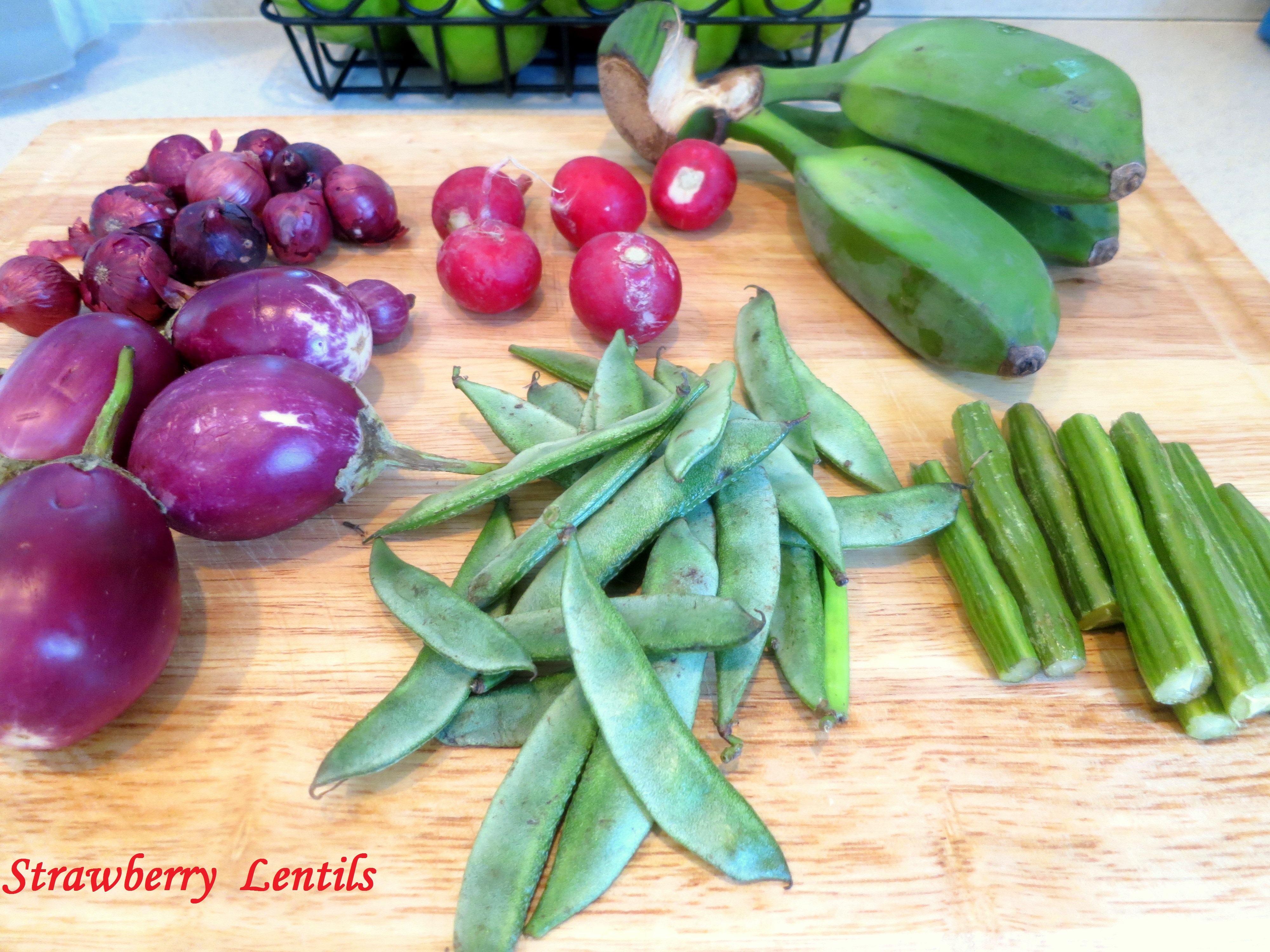
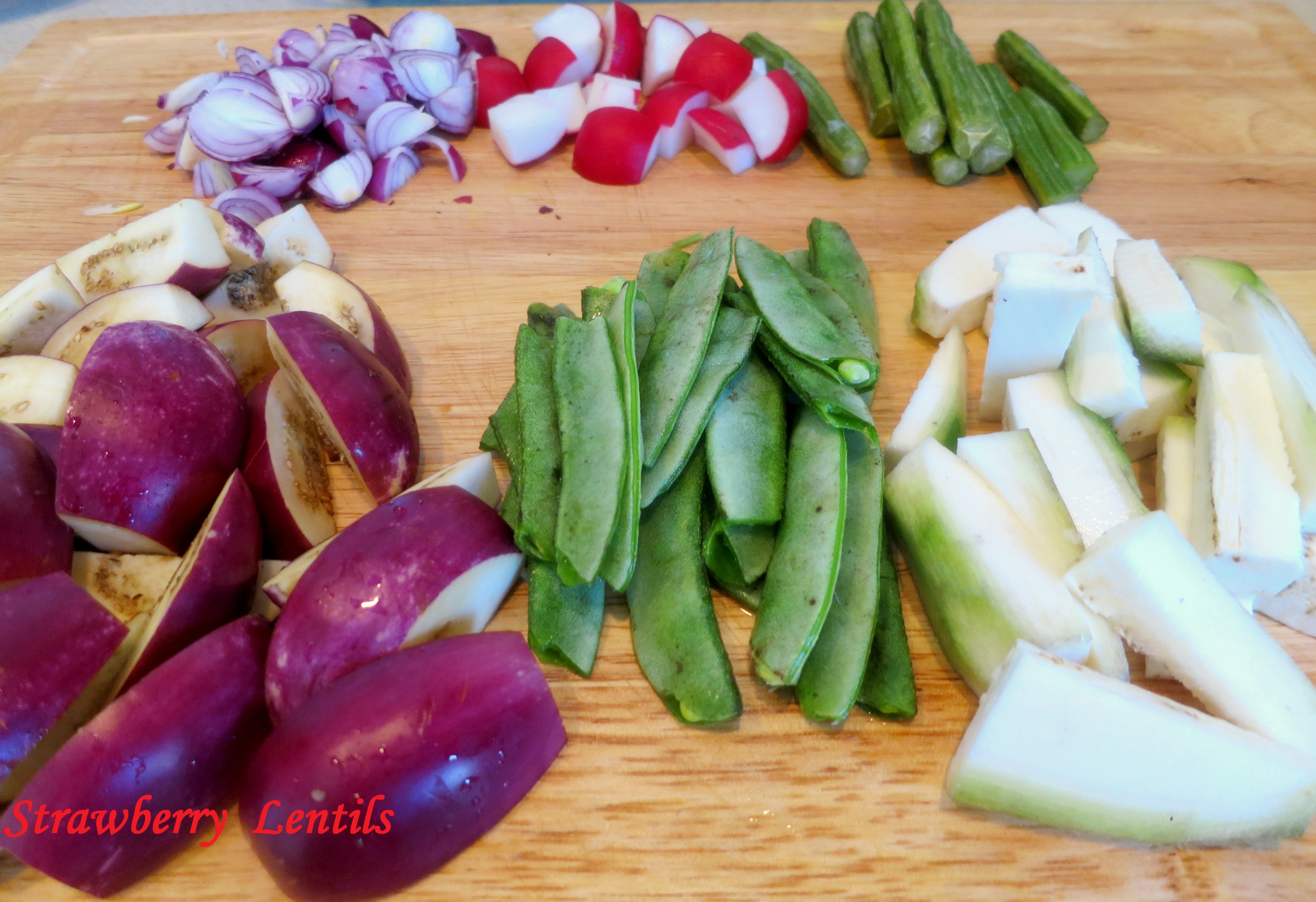
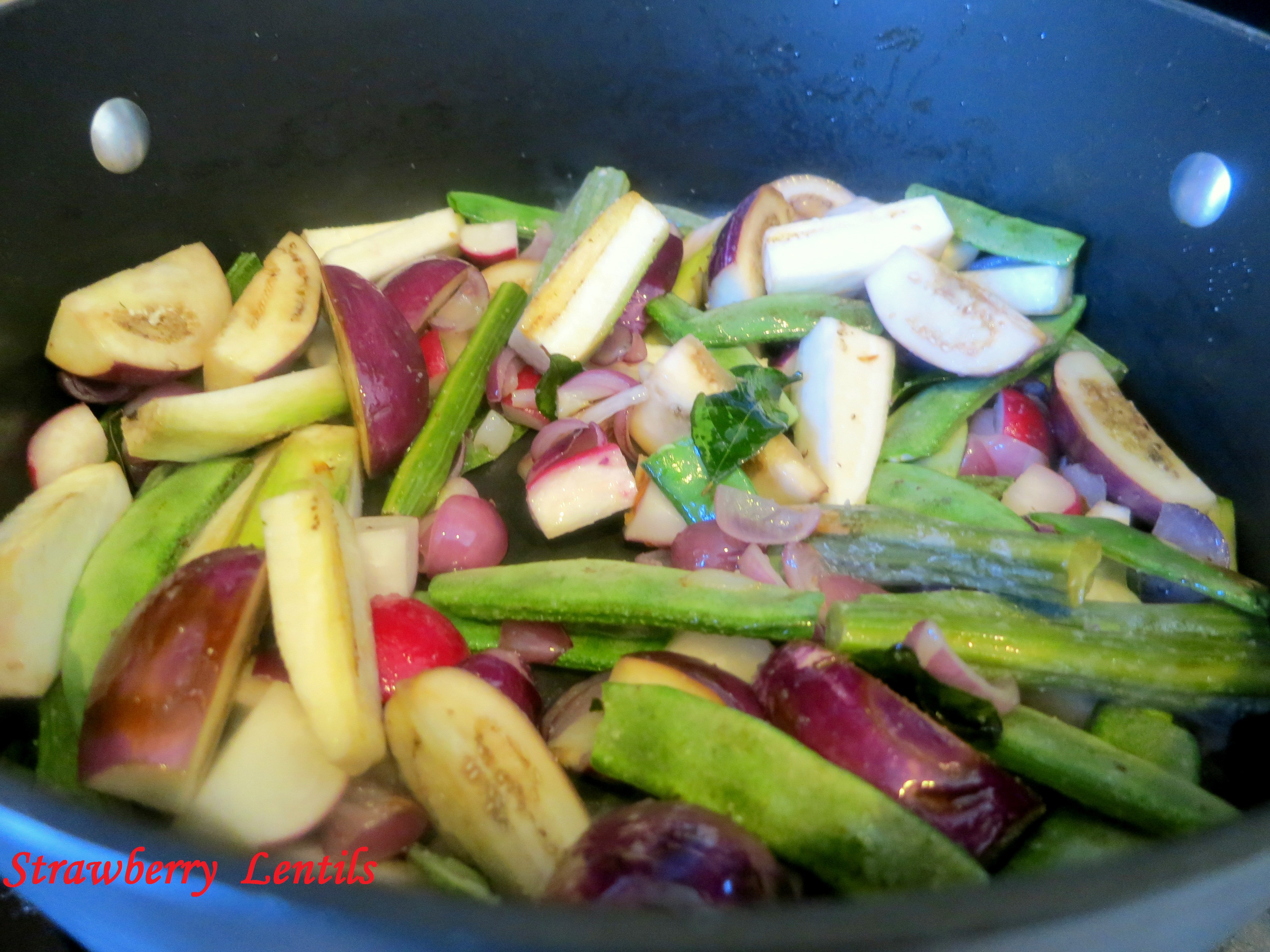
I have small onions, radish, cooking banana, eggplants, flat beans and drumsticks. Traditionally, we use what we call as “Naattu Kaai” for this rice and avoid vegetables like carrots, peas and cauliflower.

Image

Chop the vegetables in big chunks as they have to withstand a long cooking process.

Image

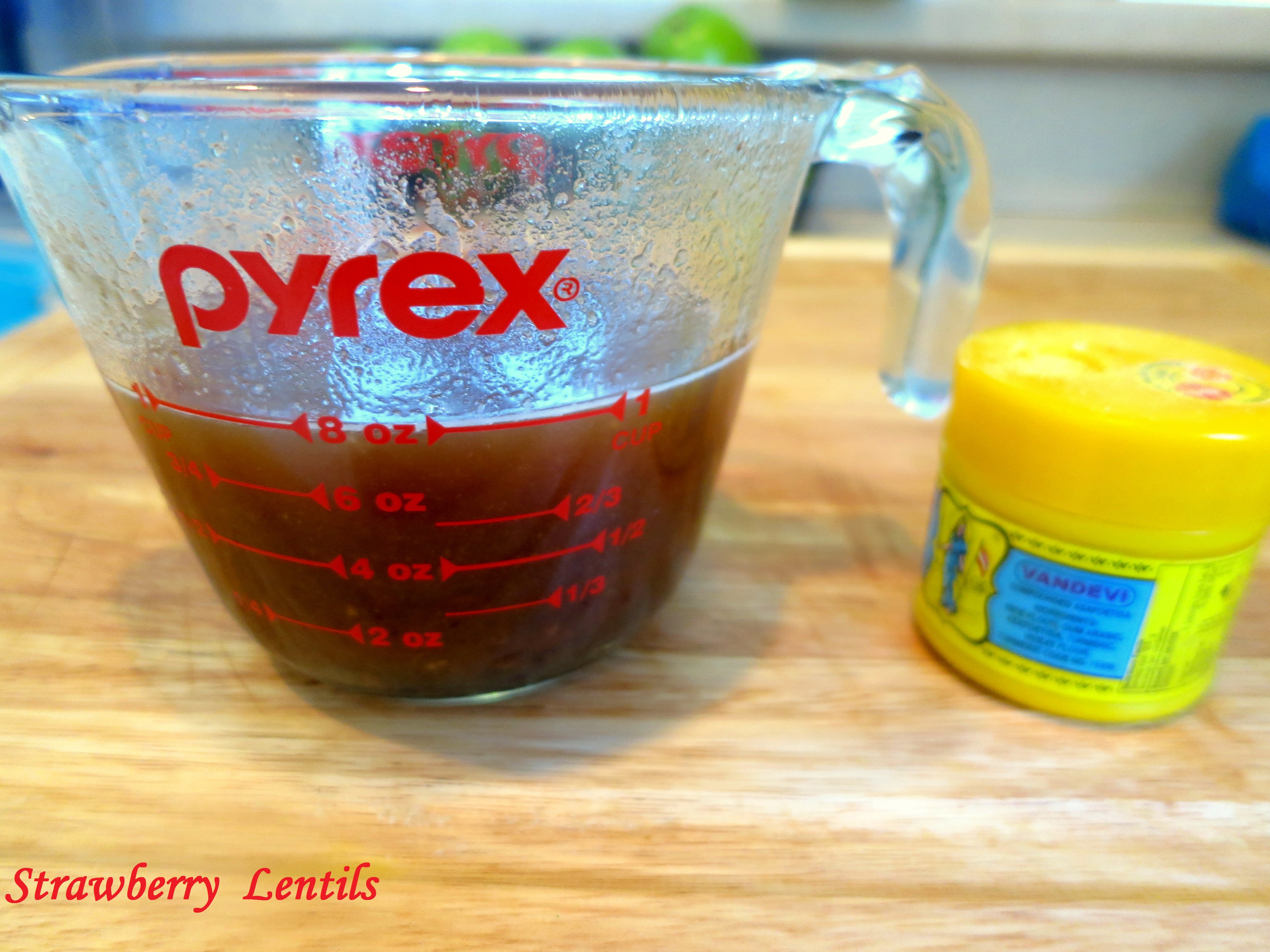
Tamarind water and asafoetida.

Image

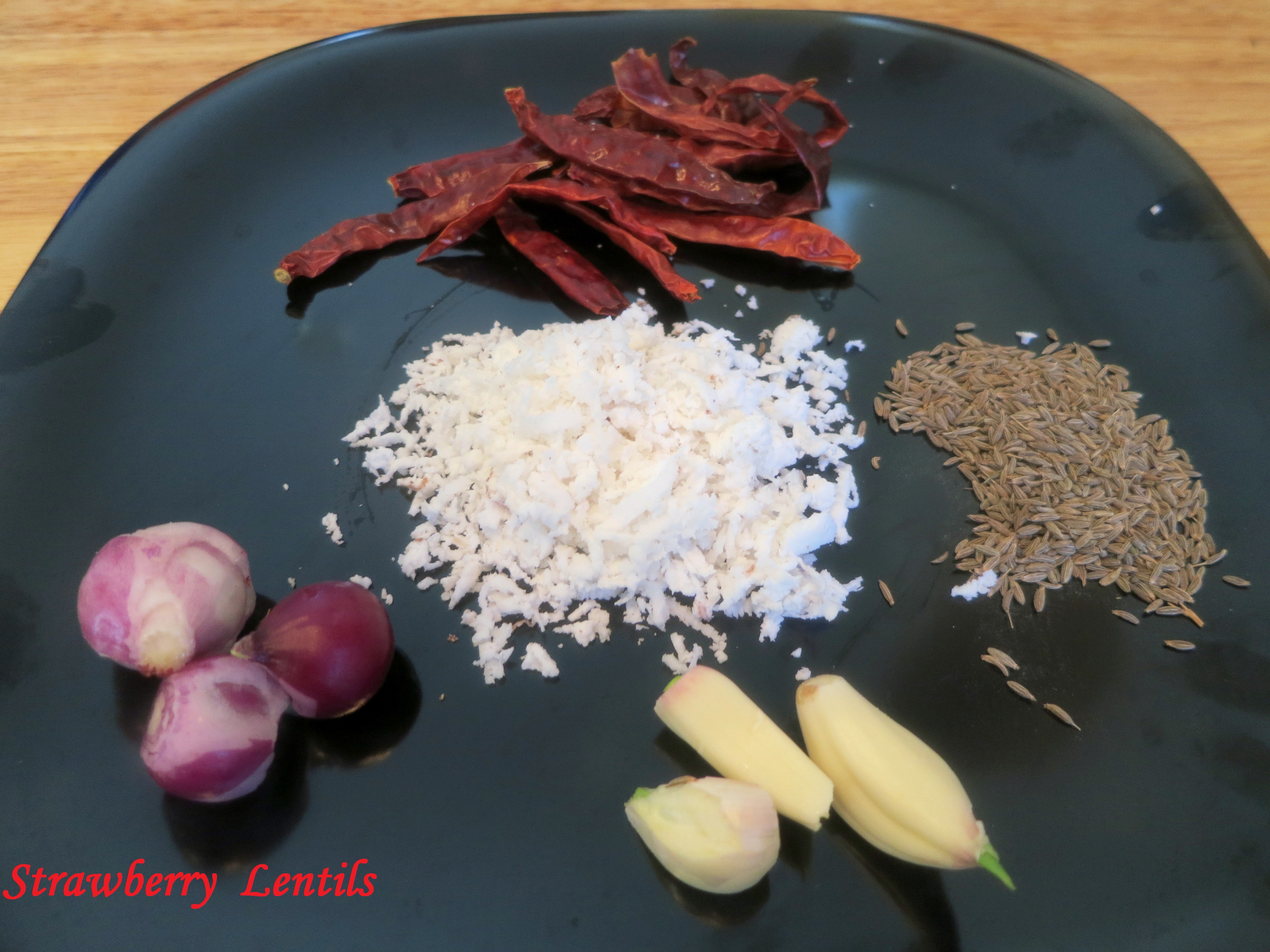
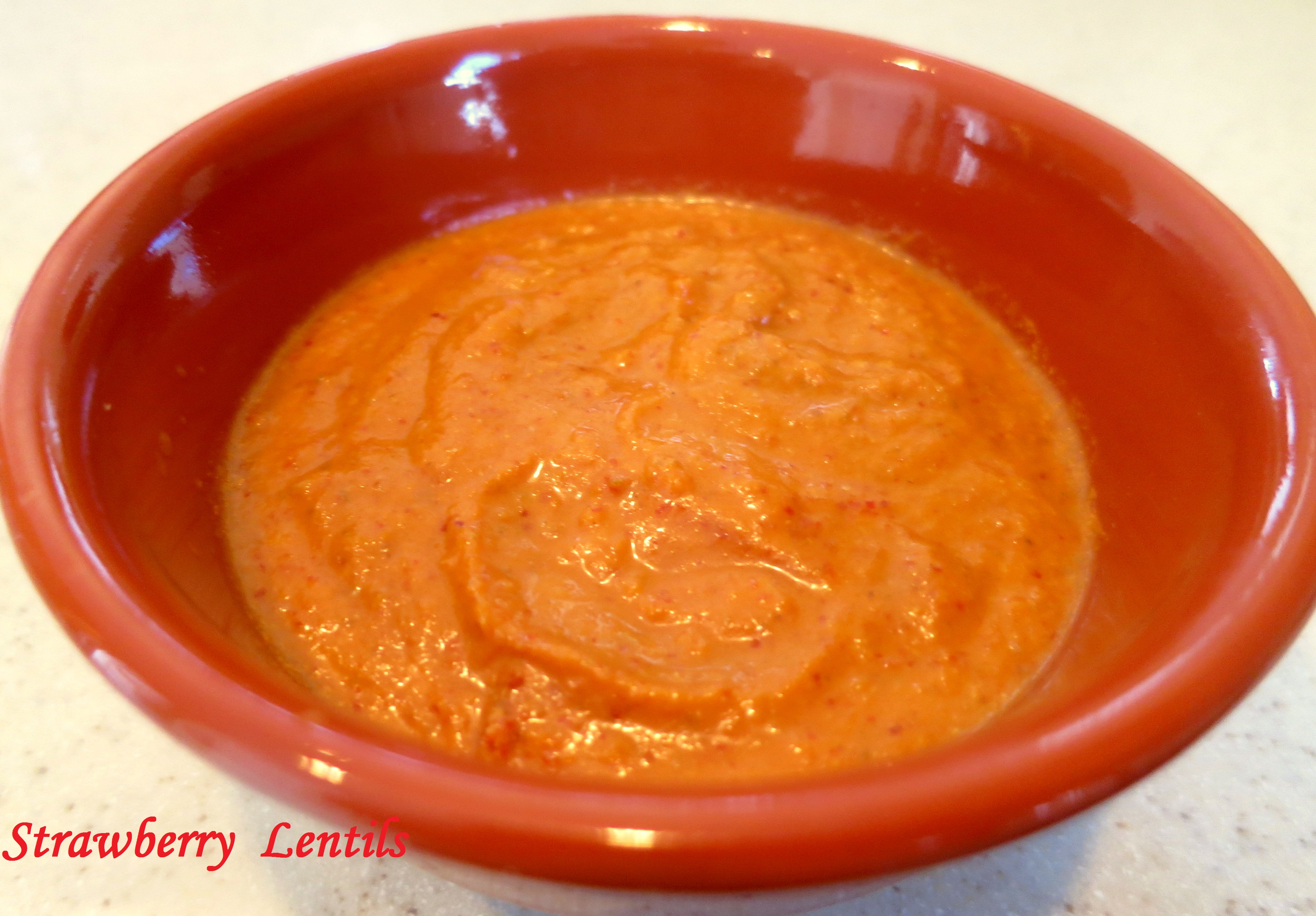
For the masala, grind red chillies, cumin, small onions, garlic and 1 tbsp. of coconut.

Image

Image

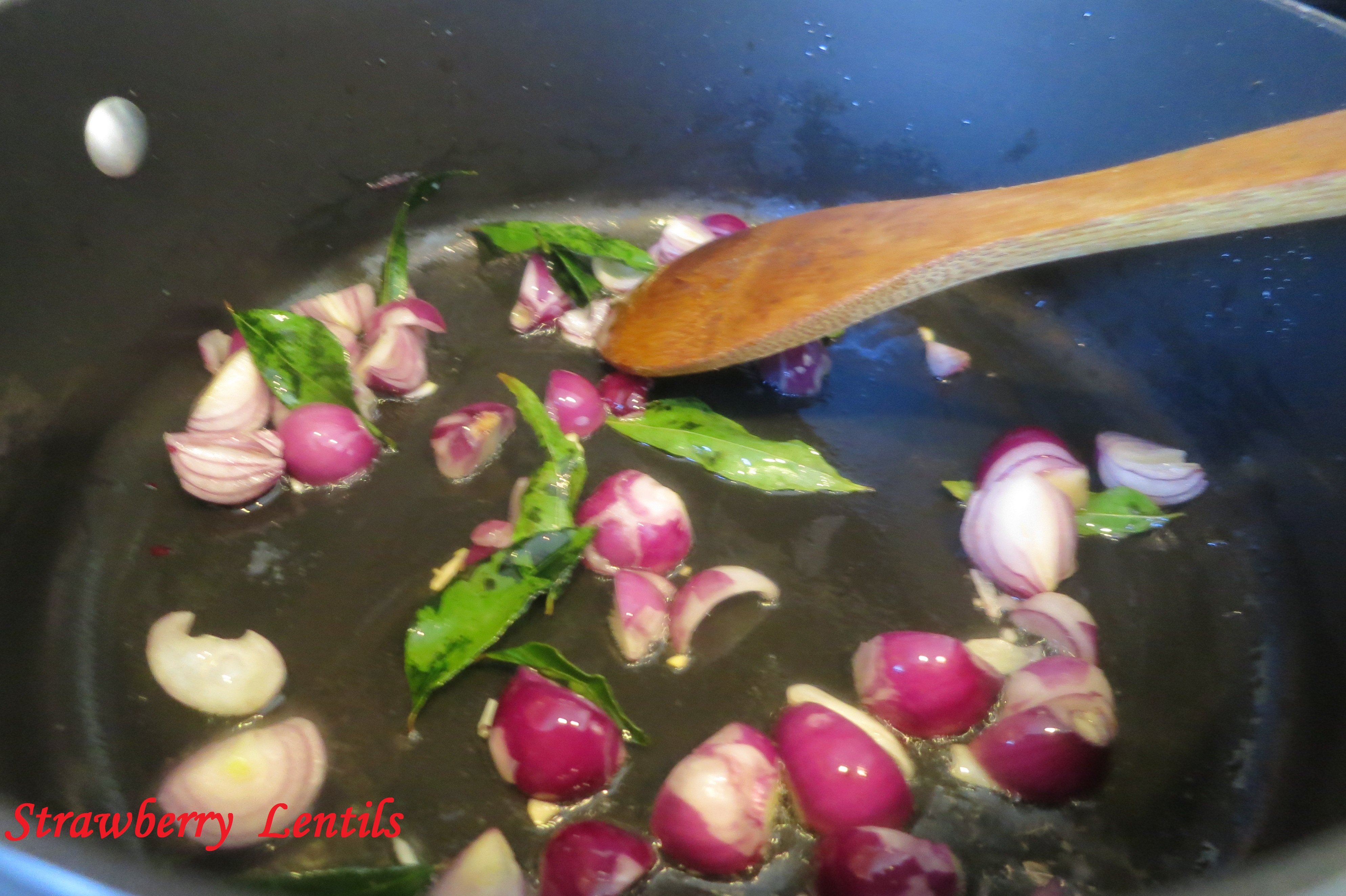
In the pot add some sesame oil and fry curry leaves and onions.

Image

sauté the veggies.

Image

Add the tamarind water.

Image

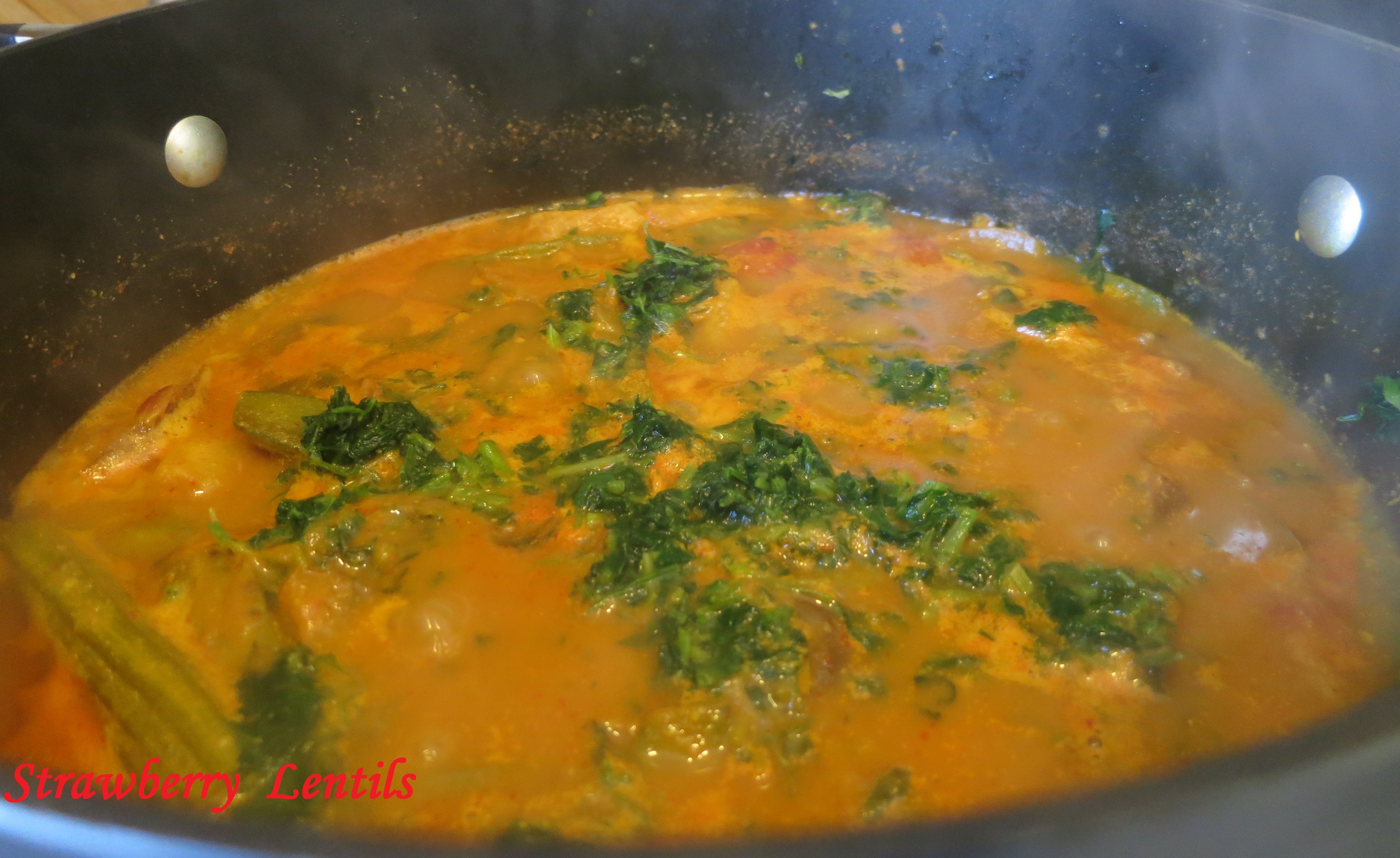
Add salt, turmeric powder and asafoetida and cook until the raw smell of tamarind goes away in medium heat for at least about 30 mins. Add the masala and cook for another 15 minutes.

Image

Traditionally, drumstick leaves are added. As I can’t get them in my place,I have added some chopped methi.

Image

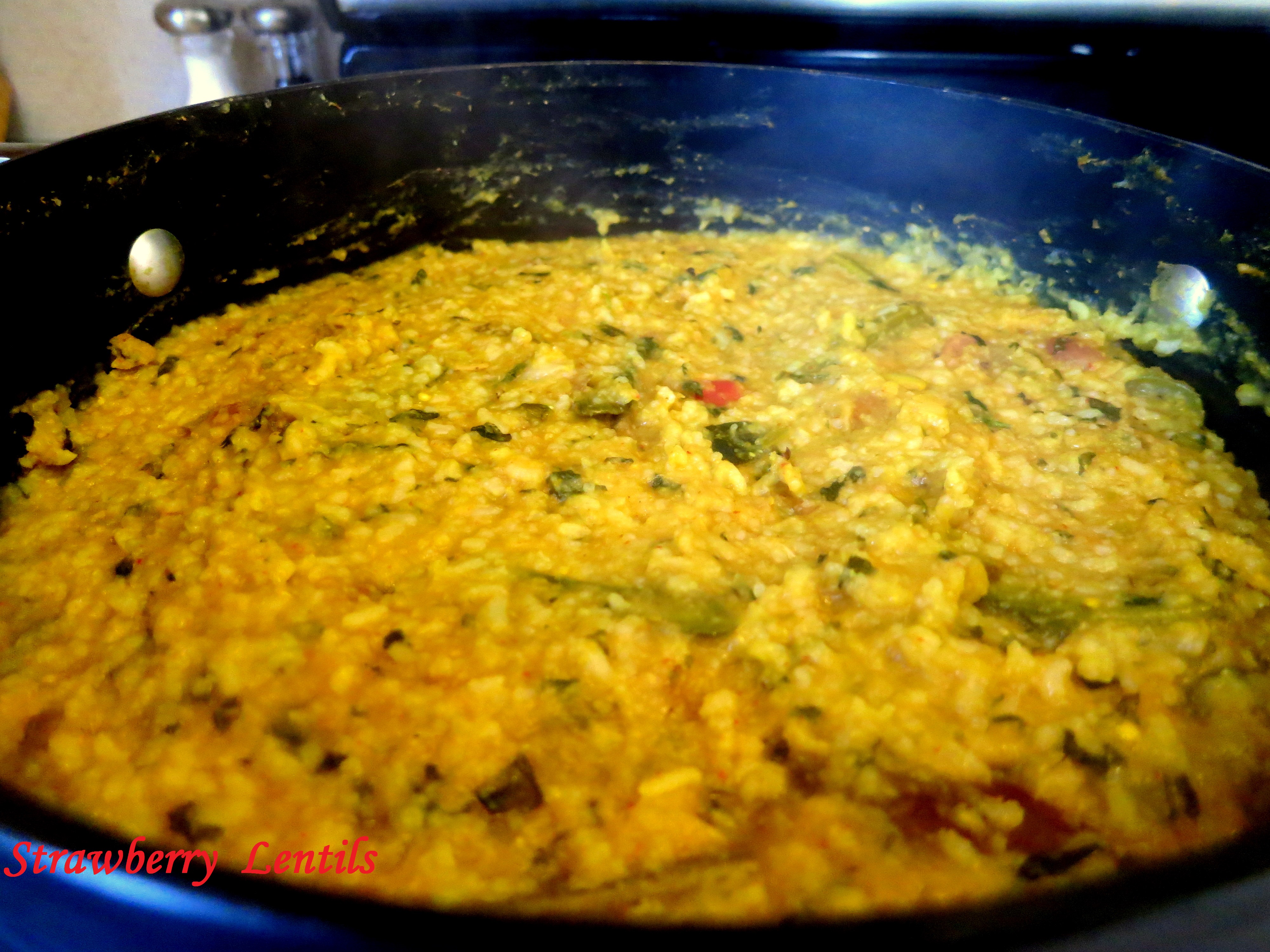
Add the cooked rice and dhal to the curry and mix well. Simmer for 15 mins, making sure the rice is not getting dry.

Image

Fry some curry vadaam (if you don’t have it, mustard seeds will do), red chillies and curry leaves in a separate pan and add the seasoning to the rice.

Image

Tastes good when its hot and tastes even better at room temperature. This is a great all-in-one dish with rice, lentils and vegetables and the combination of red chillies, cumin and garlic add layers of flavor. Back in my hometown, I have even tasted this dish with shrimp in it. You can try that too !
Image