The 5 minutes Sambar


Being a south Indian, sambar is our staple curry. I can make a pot of sambar , serve with rice for lunch and then serve with idlis or dosas for dinner, or serve with vadas for appetizers ,or as lentil soup, it is truly multi-purpose. Made with lentils and vegetables , it ranks high on nutritional value too. To make sambar in traditional way is not at all complicated, cook your lentils, cook your vegetables, add tamarind and sambar powder, add your favorite seasoning, temper with some ghee…..and that is all there is to it. But the lentils do take some time to cook, so it is not something you can make when you are trying to fix a meal in 10 minutes.

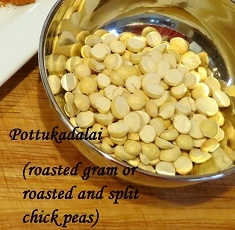
This quick sambar recipe replaces dal (lentils) with powdered split chickpeas (pottukadalai / roasted gram). Pottukadalai (fried gram) is the split and roasted chickpeas. Roasting is not done with oil, but done by applying high pressure (similar to how puffed rice is made). It is the most easily digestible form of chickpeas, porridge made out of this form of chick peas is a popular baby food. I encourage my kids to eat this roasted gram as such, a good source of protein yet mild on their stomachs.
Image

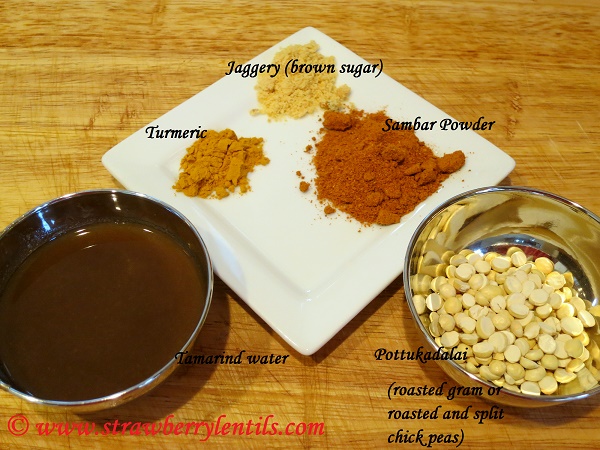
Ok, now to make this quick sambar, you will need :

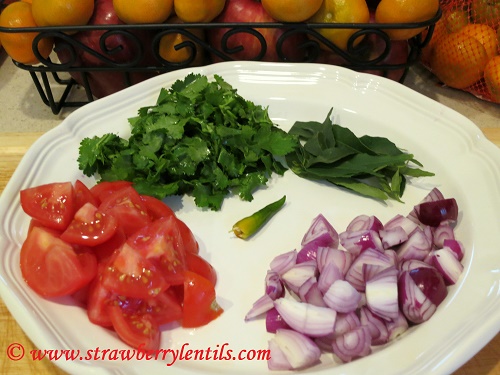
  1. Pearl Onions – 7 or 8 (quartered)
  2. Tomatoes – 1 large or 2 medium
  3. Green chilli – 1 (slit)
  4. Cilantro – a good bunch
  5. Curry leaves – few
  6. Pottukadalai (Roasted gram) – 1 tbsp
  7. Tamarind water – 2 tbsp (diluted)
  8. Turmeric – 1 tsp
  9. Sambar powder – 2 to 3 tsp
  10. Salt to taste
  11. Vellam / Jaggery / Brown sugar – 1 tsp
  12. Mustard seeds, urad dal and ghee – 1/2 tsp each (to temper)
ImageImage

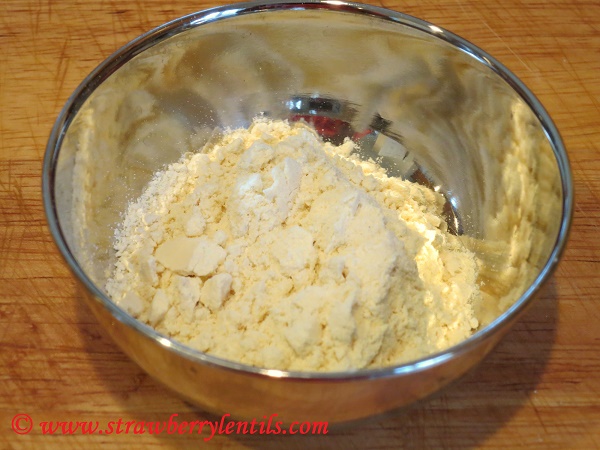
  • Powder the roasted gram, this will only take a few seconds and it becomes a fine powder very quickly.
Image

  • Now dilute this 1 tbsp of powder with about half a cup of water.

Image

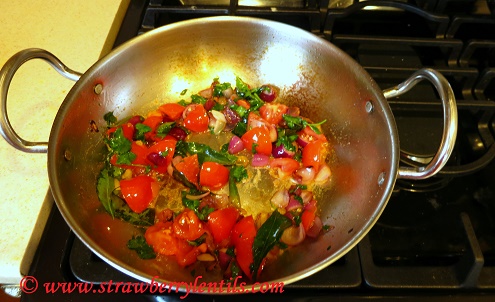
  • In a pot, heat a spoon of oil and saute the onions, tomatoes, green chillies, curry leaves and cilantro.
Image

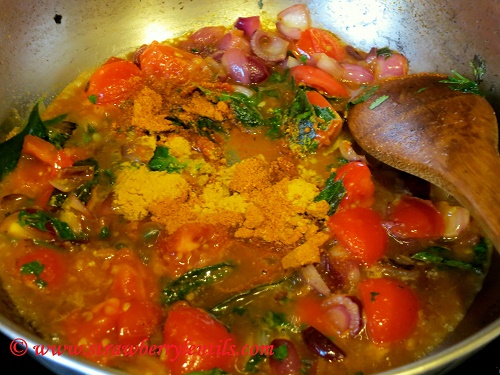
  • When the onions and tomatoes soften add the tamarind water, turmeric, sambar powder, brown sugar and salt. Tamarind is optional, you can just add more tomatoes instead. Also if you don’t have sambar powder , use chilli powder and coriander powder.
Image

  • Add about half a cup of water and bring the curry to boil, and then mix in the diluted gram powder solution.
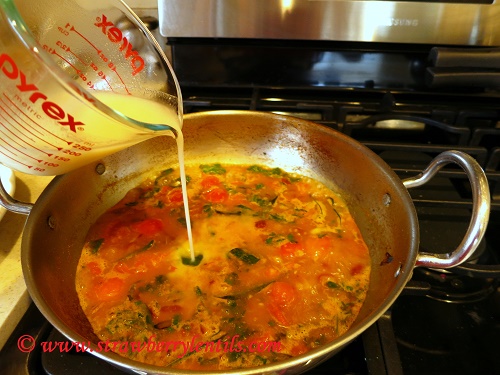
Image

  • You will see the sambar thickening within seconds. Bring the sambar to a good boil. Check for seasoning, add salt if needed.
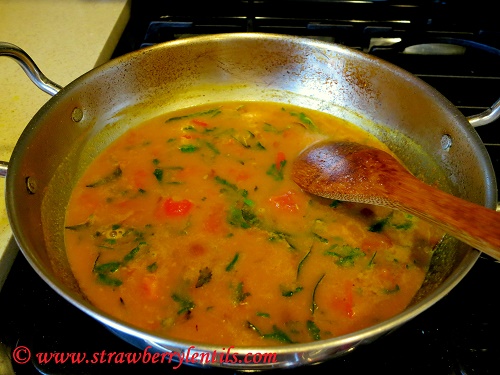
Image

  • In a separate pan, heat 1/2 tsp of ghee and fry the mustard seed and urad dal and add it to the sambar.
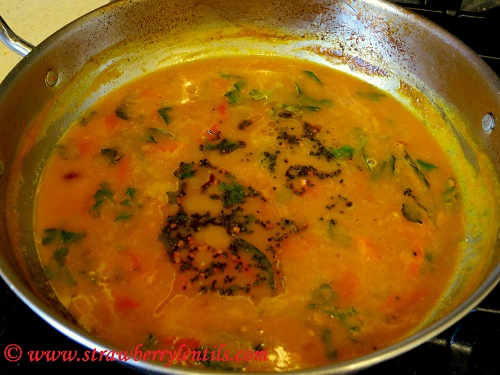
Image

  • Remove from heat and serve. The neat thing is you can make this sambar while your idlis are steaming .  You might have already tasted this sambar, because it is a popular restaurant trick 🙂 (why wouldn’t they ? it is both cost effective and time effective). I still make my sambar the traditional way with dal (lentils), but this quick sambar recipe is good to have in your arsenal for one of those crazy busy days !
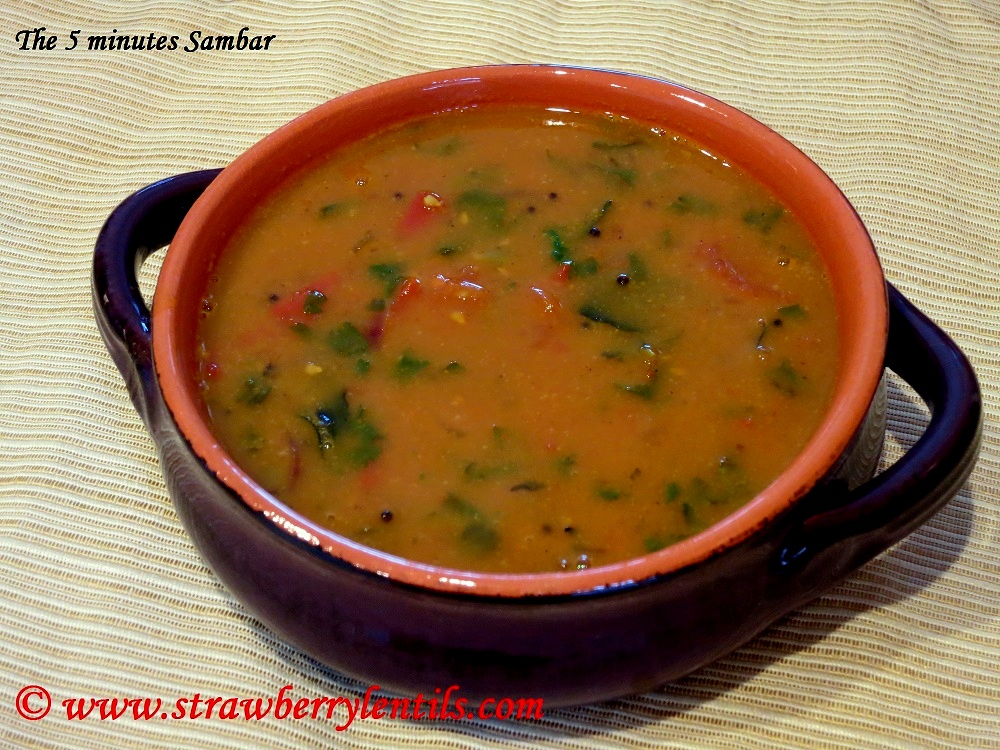
Image

P.S. – While you can use besan (garbanzo flour) instead of the roasted gram powder, I prefer the latter.

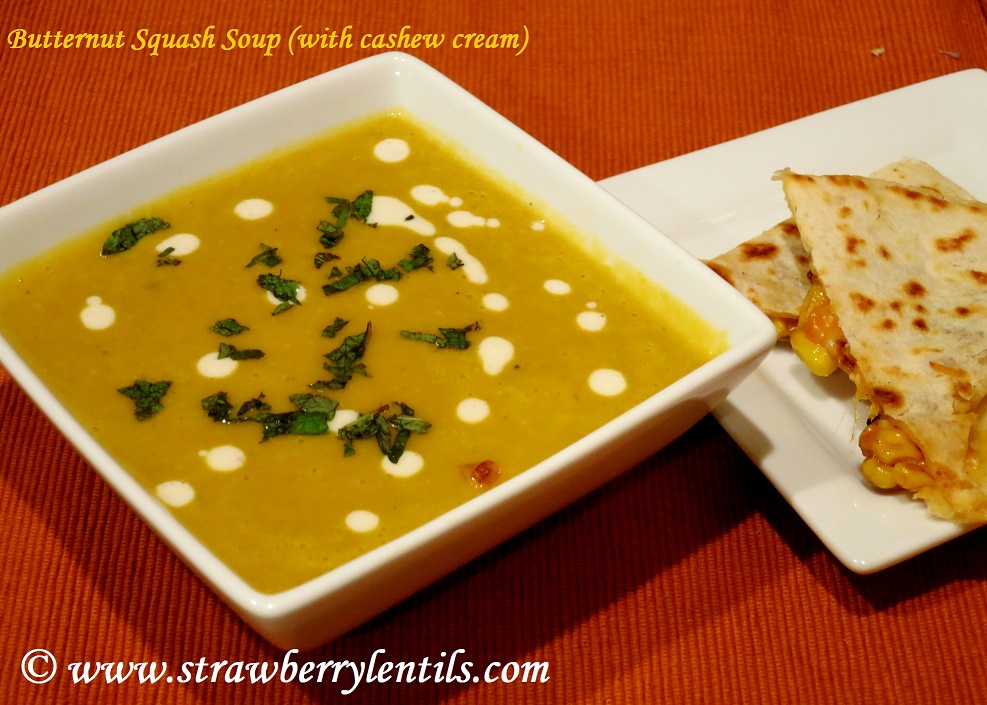
Butternut Squash Soup (with cashew cream)


A butternut squash in its wholesome is very intimidating(to me). Had never bought one, always chose the frozen cut squash to make our traditional koottu. If somebody cleans, peels, cuts and puts in a bag, why bother ? 🙂 So imagine my shock surprise, when my neighbor walked in with this “humongous” squash…a fruit of her labor in her garden. I just left it on my kitchen counter , not wanting to deal with it amidst the Halloween/Diwali chaos.

Image

A week after Diwali, suqash was still there, and I was just pretending not to look at it, if I don’t see it, its not there.. kind of logic 🙂 . But then came the day when my mind went blank at the thought of dinner. Having read some amazing squash soup posts by fellow bloggers, I declared it was squash soup for dinner. Though I didn’t have  many ingredients that I normally add in a soup, I decided to make do with what I have (hence, the cashew cream instead of heavy cream 🙂 ) and it turned out to be a very successful dinner (with kids polishing their bowls 🙂 ).

If this is your first time handling a whole squash, please check out Anjana’s (At the corner of happy and harried) tips on how to cut a squash. I found them very helpful, I strongly recommend it if your are a first timer, because no soup is worth losing a finger 🙂

And here is my squash soup recipe:

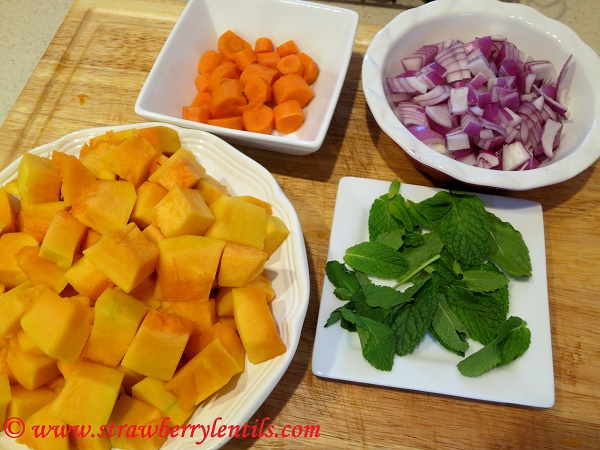
  • Cut squash into cubes.

Image

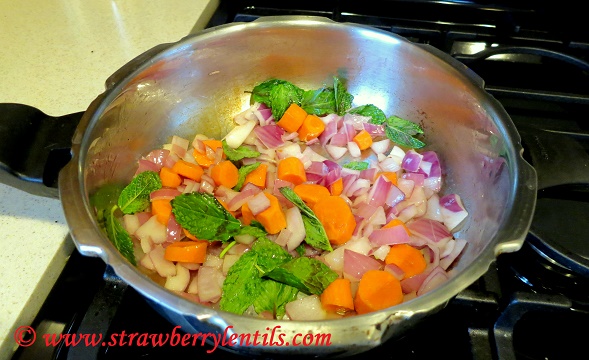
  •  Cut some carrots and red onions. I also used few mint leaves. You can add celery, tomatoes and definitely more carrots (it was a “fridge almost empty, so make-do” day for me ). However, I did have some vegetable broth which made up for the lack of other vegetables.

Image

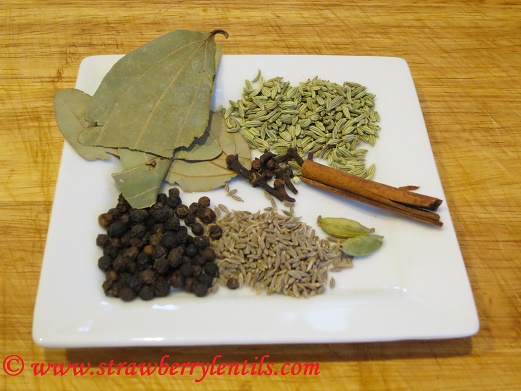
  • Here is my favorite spice blend for the soup.
  1. Cinnamon – 1 stick
  2. Cardamom – 2
  3. Cloves – 5 or 6
  4. Bay leaves – 2
  5. Black pepper – 1.5 tsp
  6. Cumin – 1 tsp
  7. Fennel – 1.5 tsp

Image

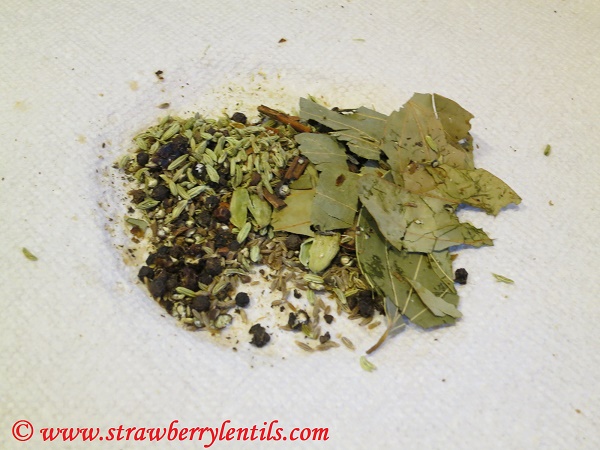
  • Coarsely crush the spices just enough to release flavor.

Image

  • Tie the crushed spices in a bundle, either using a clean cloth or a bounty paper towel. This is a convenient way of seasoning the soup, just drop the bundle in the soup and remove it once the soup is cooked.

Image

  • I used my pressure cooker, as I didn’t have a lot of time to slow cook the soup and develop flavors. Pressure cooker delivers the same results in a quicker fashion…(what will I do without them ???? ). Heat a spoon of oil and saute the red onions and when the onions brown, add a tsp of ginger garlic paste and then saute the carrots and mint.

Image

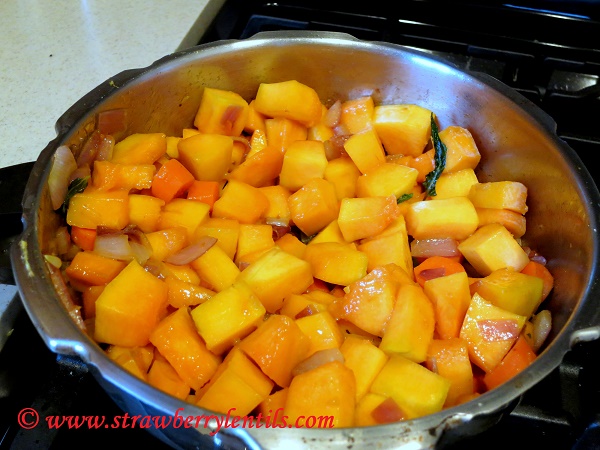
  • Add the squash cubes and sprinkle some salt to sweat the veggies and saute until the squash softens a little.

Image

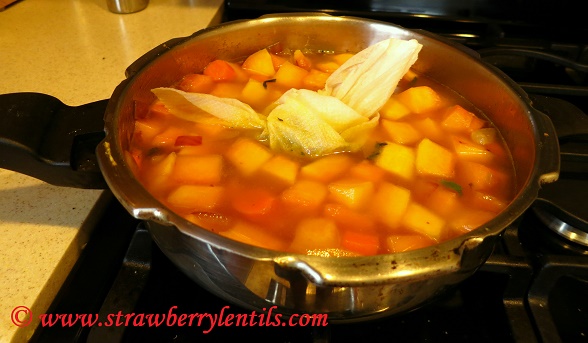
  • Add 5 cups of broth (vegetable or chicken). If you are using a lot of vegetables , just water will suffice. Drop the spice bundle in the broth.

Image

  • I pressure cooked for 5 whistles. Squash was so tender that it  almost dissolved in the soup. Fish the spice bundle out as its job is done :).

Image

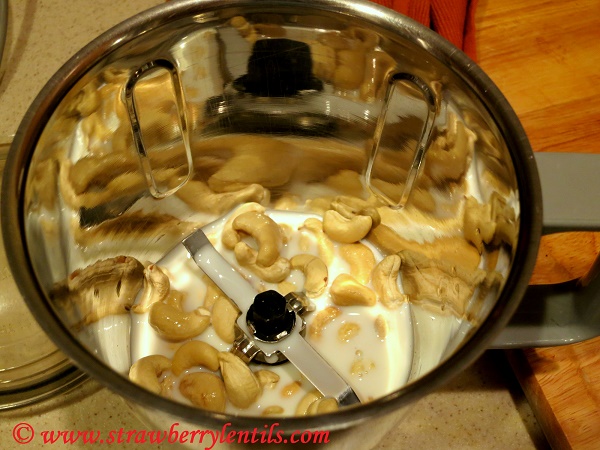
  • I allowed my soup to completely cool down before pureeing and meanwhile made the cashew cream. You can use dairy cream instead. To make cashew cream, grind 2 tbsp of cashew nuts with water or milk to make a smooth cream.

Image

  • I reserved 1 tbsp of cream for final garnish and mixed the rest in the soup.

Image

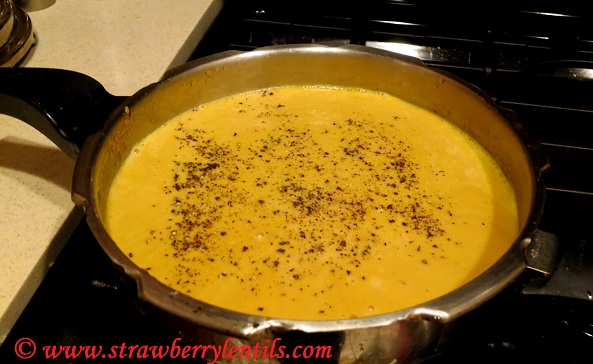
  • Puree the cooled down soup in a blender and add the cashew cream to it. Add salt and pepper as you need, and heat the soup (do not bring to boil).

Image

It is a yummy comfy soup, we had it with some roasted corn quesadillas and it was a finger-licking, bowl-polishing meal 🙂 Hope you try it too !

Image

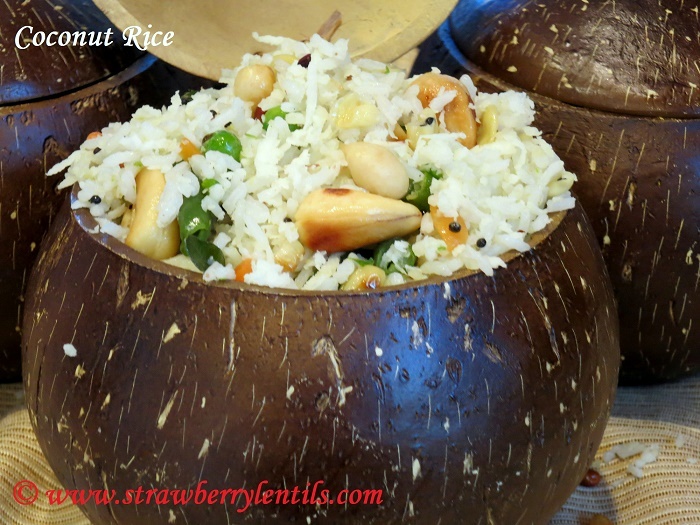
Coconut Rice


Its quick, its fresh, its nutty, its light…so why not ? Coconut rice is one of the many quick and easy variety rice recipes. I love the flexibility it offers : got some leftover rice and trying to make a meal out of it without sweating much or make an exotic aromatic party food, coconut rice will be your best friend 🙂 .  Whether you go for simplicity or embellish it to the core, this flavor packed rice will take you to your happy place.

You will need :

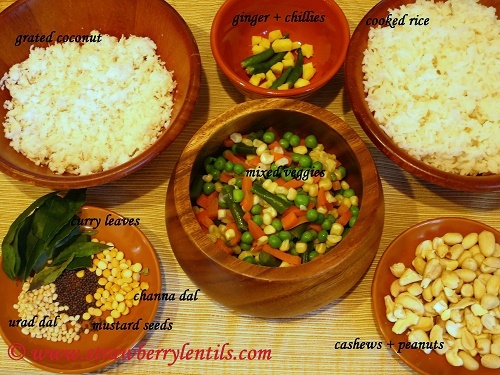
  1. Rice – 1 cup
  2. Grated coconut – 3/4 cup
  3. Green chillies – 3
  4. Ginger – 1/2 inch piece
  5. Peanuts – 1/4 cup
  6. Cashew – 1/4 cup
  7. Mixed vegetables – 1 cup
  8. Mustard seeds – 1/2 tsp
  9. Urad dal – 1/2 tsp
  10. Channa dal – 1 tsp
  11. Curry leaves – few

IMG_5399

  • Cook rice by your preferred method. You can also use leftover rice. Adding a tsp of oil to the water while boiling rice helps the grains to stay separate.
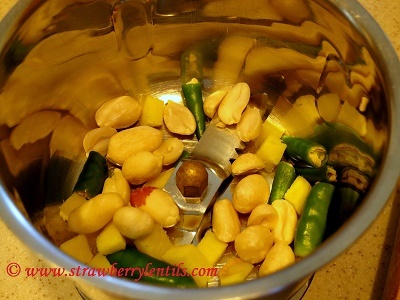
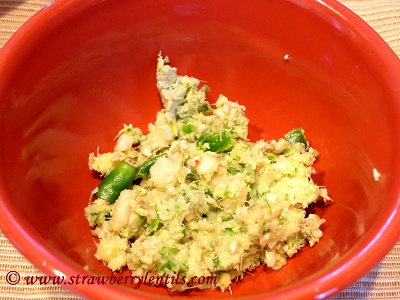
  • Grind green  chillies and ginger along with a few peanuts to a coarse mix. It doesn’t have to be a paste, just grind enough to blend everything. Else, you can just finely mince the chillies and ginger.

IMG_5408IMG_5410

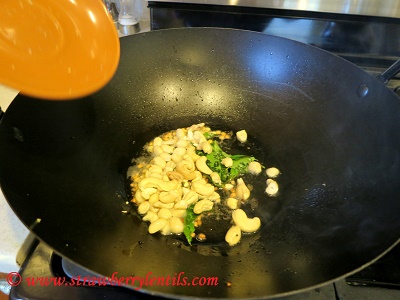
  • In a wok, add a tbsp of oil (preferably coconut oil or sesame oil) and fry the mustard seeds, urad dal, channa dal and the curry leaves.

IMG_5416

  • When the mustard seeds splutter and the dals turn golden add the peanuts and cashewnuts.

IMG_5418

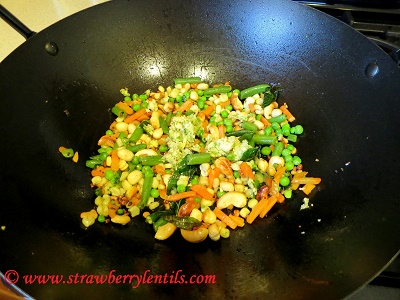
  • When the nuts turn slightly golden add the mixed vegetables. This is optional,I prefer adding a lot of veggies to the rice, so that I can skip making a side 🙂 . Sprinkle some salt and cook for two minutes and then add the ground green chillies+ginger paste.

IMG_5425

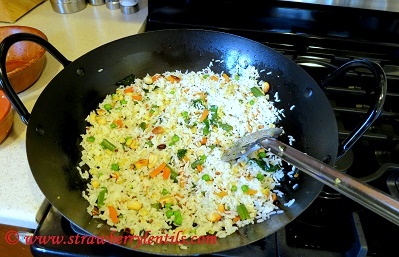
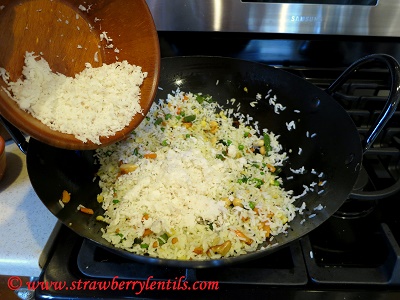
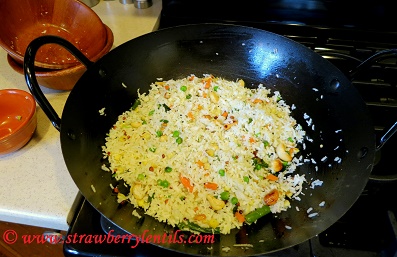
  • Once the green chillies and ginger paste coats all the vegetables add the cooked rice to the wok, reduce heat and mix well.

IMG_5428

  • Check for seasoning, add salt if needed. Three green chillies should pack enough punch, but if you need more heat you can add red pepper flakes. Finally add the grated coconut and mix with rice thoroughly, remove from heat after a minute.

IMG_5432

  • You can also toast the coconut before adding to the rice. While it deepens the flavor, I feel that freshness is compromised.  You can try both ways and see which you would prefer.

IMG_5446

While the cold, windy weather and the 5 p.m. dark skies keep warning about the bitter winter, it feels like spring in my kitchen and thats what matters, right ?

IMG_5464

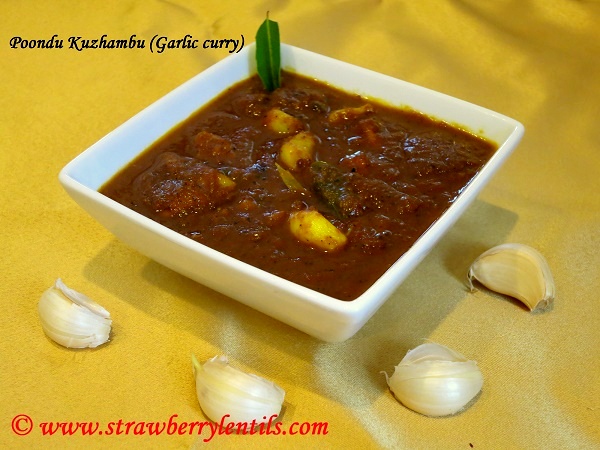
Poondu Kuzhambu (Garlic Curry)


Aaaah…..Diwali is fast approaching. Next week, I would be whipping out traditional diwali sweets and savories , going through pounds of sugar and gallons of oil. I thought I would post one simple, healthy recipe before jumping into the Diwali binge. I know I will make this curry again a few days after diwali, when I am not high on sugar and my stomach craves for a detox 🙂

Poondu (Garlic) Kuzhambu (curry) is a very simple and a very basic recipe. No fancy ingredients, no fancy cooking techniques, takes less but delivers more. The garlic flavor is very subtle in the curry , so no need  worry about ogre breath after eating this :).

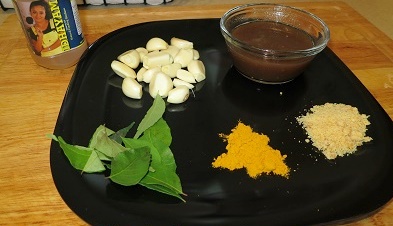
  • You will need :
  1. Garlic – 15 -20 cloves
  2. Curry leaves – few
  3. turmeric – 1 tsp
  4. vellam / jaggery/ brown sugar – 1 tbsp
  5. tamarind water – soak 1 tbsp of tamarind in water and extract the juice
  6. salt to taste
  7. Sesame oil – 1 tbsp

Image

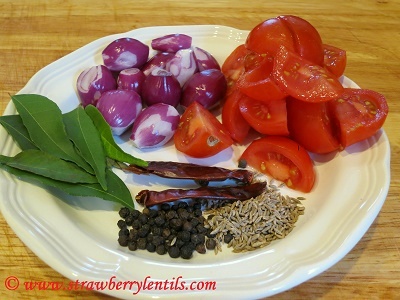
  • To make the masala paste , you will need :
  1. Pearl onions – 10 (use shallots otherwise, but no large onions)
  2. Tomatoes – 1 large or 2 medium
  3. Curry leaves – few
  4. Black pepper – 1.5 tsp
  5. Dry red chillies – 2
  6. cumin – 1.5 tsp

IMG_5075

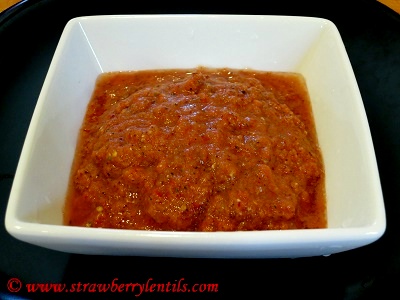
Grind the above ingredients to a paste. To get a smooth paste, first pulse the dry spices and add the onions and grind for 30 seconds and then add the tomatoes.

Image

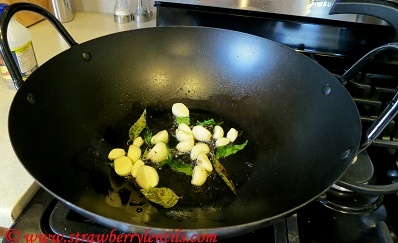
  • In a wok, heat 1 tbsp of sesame oil and fry mustard seeds and then saute the curry leaves and the garlic.

Image

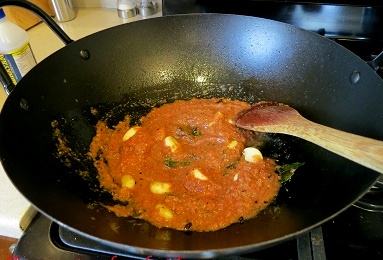
  • When the garlic cloves turn slightly golden, add the ground masala paste. (If you used large onions , the raw pungent smell of onions would be unpleasant, so only use pearl onions or shallots.)

Image

  • Dilute with half cup of water and to the curry add turmeric, brown sugar and salt.

Image

  • Taste the curry and see how much acid you will need and according to that add the tamarind water. Often while making tamarind based curries, we tend to go overboard with tamarind and then to compensate it we add more heat and more salt and unintentionally end up with an intense curry. It is wise to add the tamarind after adding all your seasonings, so that you will be better able to judge how much tamarind is needed.

Image

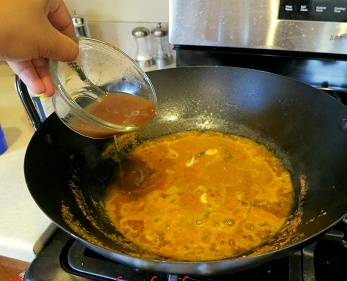
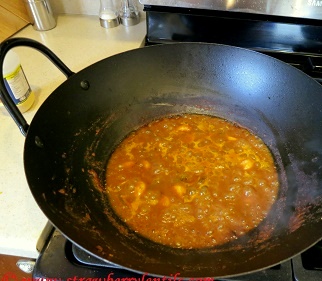
  • Allow the curry to boil and reduce. Cook until the garlic cloves are tender. Traditionally, 3 or 4 tbsp. of oil is used and the curry is cooked until all the oil separates and floats on top. But I always make this curry light and simple, and less oil does not lessen the taste in any ways.

Image

The approximate cooking time will be 15 – 20 mins.  You can put rice to boil, start making this curry and while it is cooking, make a simple vegetable stir fry on the side. So a complete meal in thirty minutes…. most days , that is all the time we get to prepare a meal, right ? 🙂

The garlic cloves that are cooked and soaked in the curry will melt in your mouth….

Image

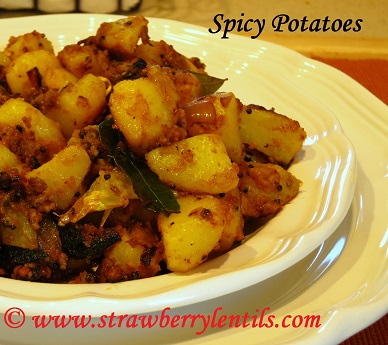
Spicy Potatoes (Potato Poriyal)


This is pure indulgence. I just posted an oil free rasam recipe few days back and here I am posting this potato side recipe that takes a little more oil than normal vegetable sides. I  L.O.V.E. this traditional, simple potato poriyal so much so, while growing up.. we had it two or three times a week. Now I always pair this poriyal with rasam or yogurt rice , so that the fat content of the entire meal is at bay. This may not be how you want to make the poriyal always, but once in a while it is okay to dive into the indulgence :).

Image

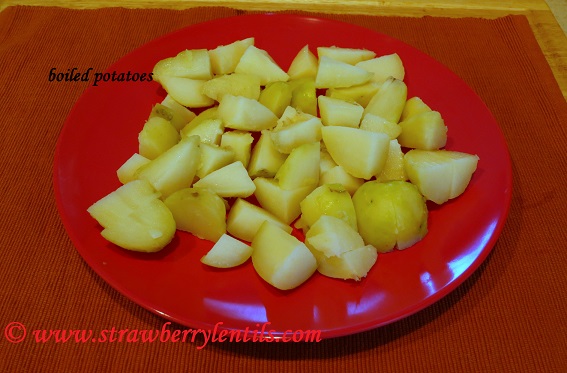
  • Boil and peel the potatoes and cut them into big pieces. Sometimes when I am in a hurry I microwave the potatoes (Heat a medium size potato for 3-4 mins without water in the microwave) also.

Image

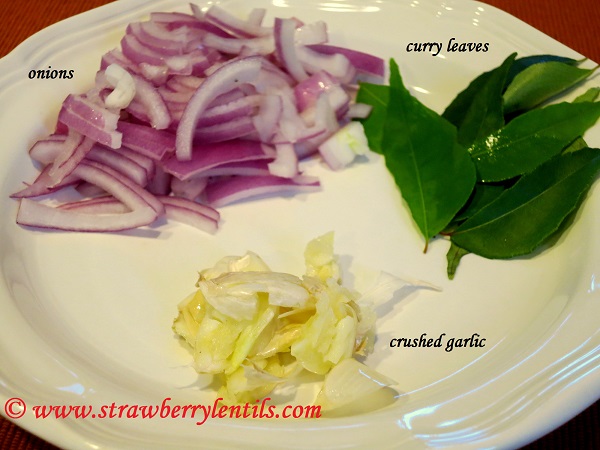
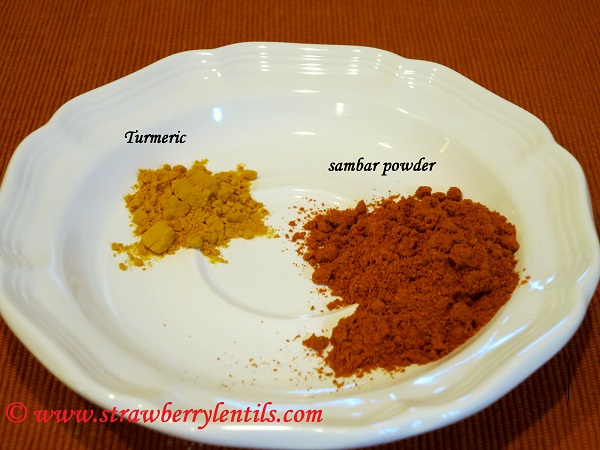
  • You will need :
  1. One small red onion or half of a medium onion
  2. curry leaves – few
  3. Garlic – 2 cloves crushed with peel (optional)
  4. Turmeric powder – 1 tsp
  5. Sambar powder – 3 -4 tsp
  6. Salt to taste.

Also you will need mustard seeds or cumin for initial seasoning which is also optional.

[Sambar Powder is readily available in all Indian grocery stores. Most of the available brands are good. If you do not have sambar powder you can replace it with cayenne or red chilli powder.]

ImageImage

  • Heat 2 tbsp of oil in a wok, and fry mustard seeds or any of your preferred seasoning like cumin or fennel or cloves and cinnamon… I used mustard seeds and urad dal . Then saute the onions and curry leaves.

Image

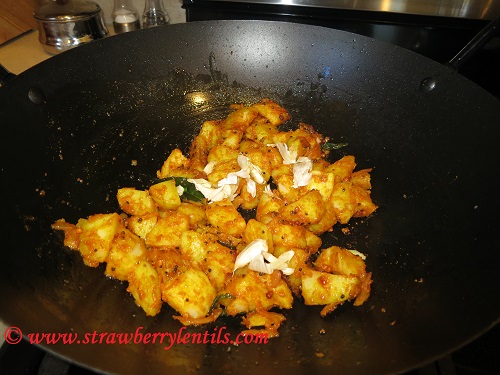
  • Once the onions turn slightly brown, add the turmeric, sambar powder and salt directly to the oil. This will cook the masalas in a flash. Reduce the heat and make sure not to burn the sambar powder.

Image

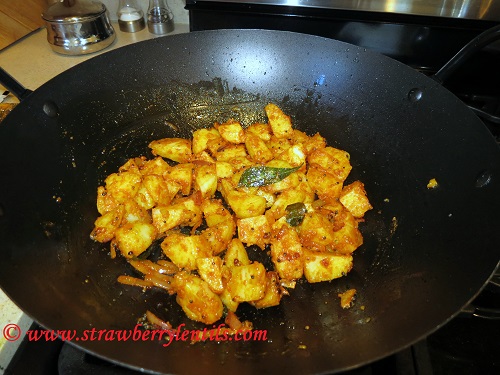
  • After 30 seconds, add the potatoes to the wok and mix well. This method of adding the masalas to the oil directly, ensures that the potatoes get evenly coated with the spices.

Image

  • Cook for a minute and then add the crushed garlic and cook for another 2 minutes.

Image

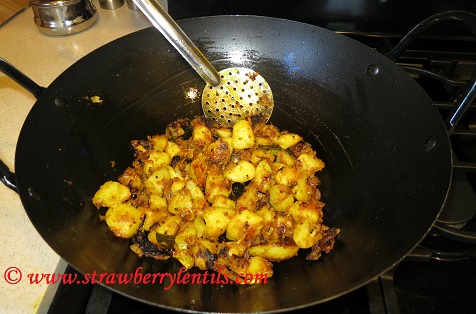
  • The dish as of now is ready. But you can leave the potatoes in the wok for another few minutes to crisp.

Image

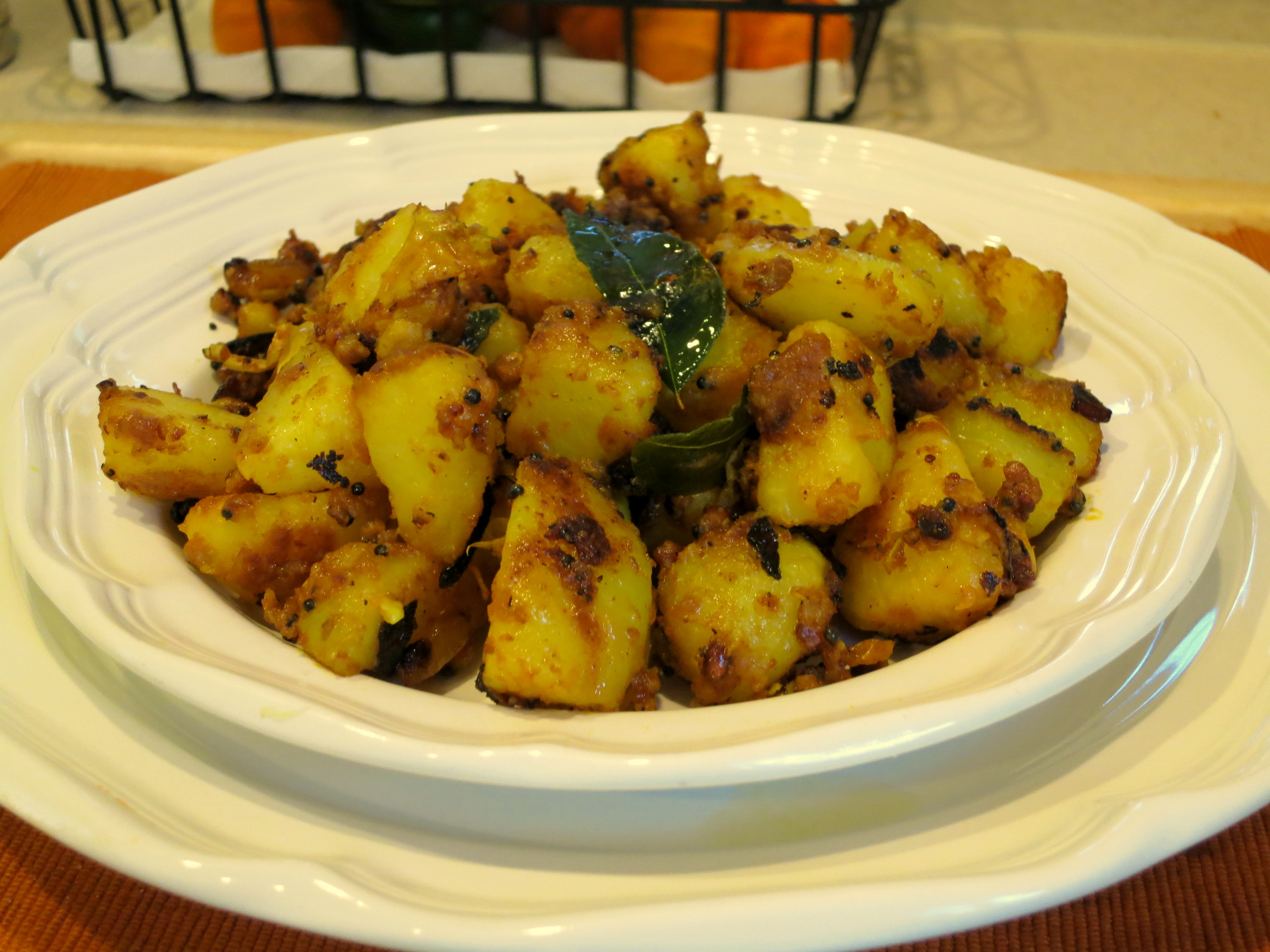
Once you have the boiled potatoes ready, this will be done in five minutes. As I mentioned earlier, this is usually served as a side for rice, but it can also be used as filling for wraps or sandwiches. These potatoes are crispy, spicy , garlicky……and you will like everything about them 🙂

Image